


 Half Board
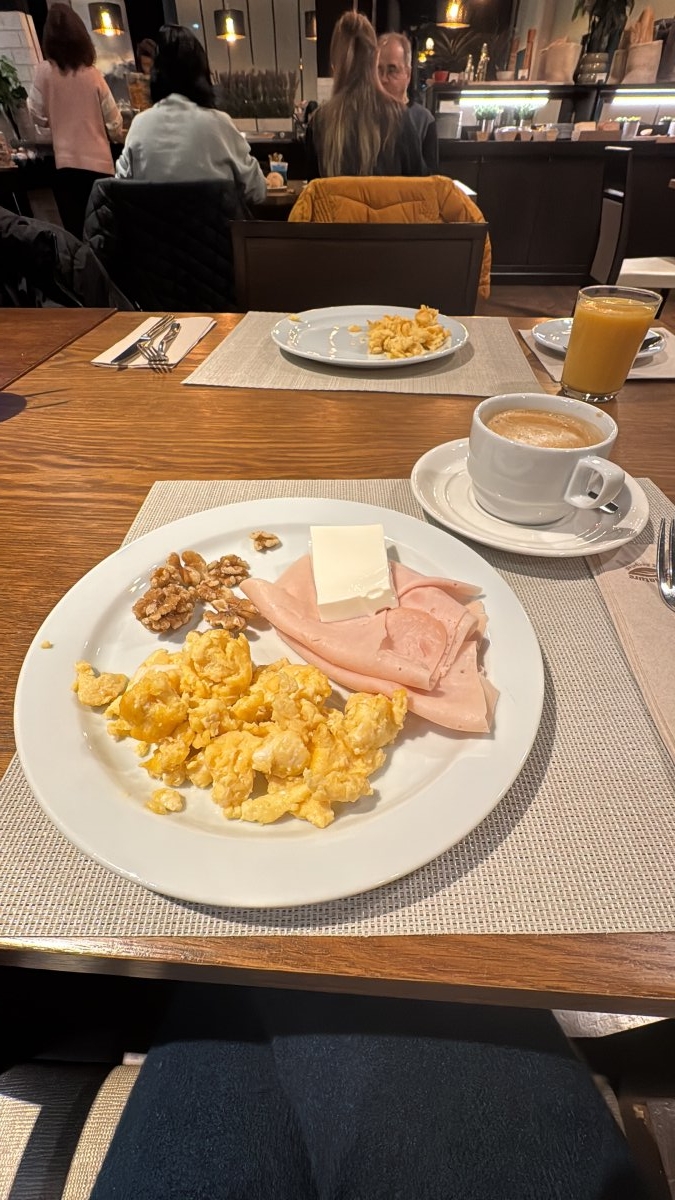
Breakfast and dinner (Drinks not included)



 Langreo,-Asturias
Half Board
We have more than 80 deals available. Find the one that suits you best.






















































The AZZ Asturias Langrehotel 4* is a modern and complete hotel with spa that combines tradition with quality to offer a first class service to its guests.
Its wide range of services has been designed to meet the needs of customers at all times. Its central location and good communications, not only with the main cities in the region and the airport, but also with cultural, sports and nature reserves, make Langrehotel the perfect choice for holidays, holidays, or as a starting point for working days.
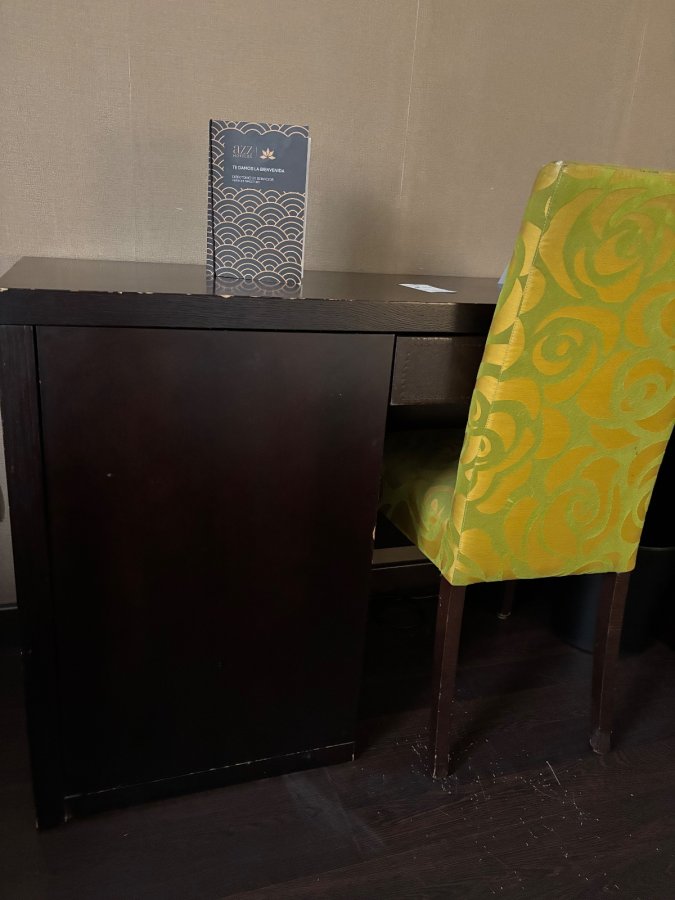
Carefully equipped rooms, pampering the details that make Langrehotel the best hotel offer in the center of Asturias, a world of sensations that complete the offer of the complex, with cafeteria, spacious lounges, Asturian llagar, restaurant, spa, private car park, meeting rooms, business center ... make it the perfect setting for any type of stay.
A qualified team of professionals is ready to assist and guide you during your stay at AZZ Asturias Langrehotel 4*.





Don't worry. We have some alternatives you're sure to love. Pick yours before time runs out!
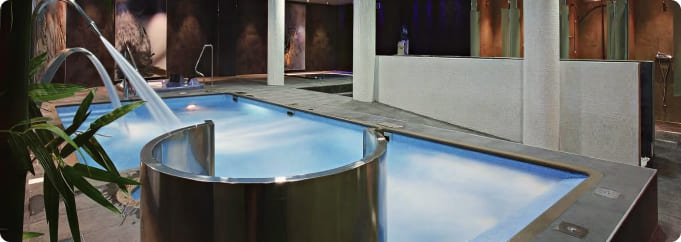
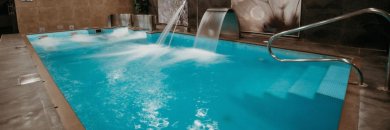
This deal includes access to the hotel spa.
Enjoy 60 minutes of access per person and per booking to make the most of the thermal circuit — we’re sure you’ll love it!
The thermal circuit features active pools, aroma showers, hot springs, a jacuzzi, therapeutic cabins, and grape rays.
Opening hours:
Monday and Tuesday: Thermal circuit open (no treatment service).
Wednesday to Friday: 16:00 – 20:00.
Saturday: 10:00 – 14:00 and 16:00 – 20:00.
Sunday: 10:00 – 14:00.
Good to know:
Advance booking is required. The confirmation voucher will include the hotel’s phone number for reservations.
Please remember to bring your swimsuit, bathing cap, and flip-flops.
AZZ Asturias Langrehotel 4*: Nature, Wellness and Serenity
Tucked away between the sea and the mountains, this 4-star hotel invites you to disconnect and breathe the purest northern air. Its spa includes a heated pool, sauna and massage area, ideal after a day exploring Asturias’ dramatic landscapes.
You’ll be surrounded by endless green hills, traditional villages and the scent of the ocean breeze. Visit the Picos de Europa, the Covadonga Lakes or relax in a charming coastal town like Llanes or Ribadesella.
Perfect for couples and nature lovers, this stay combines authentic Asturian warmth with modern comfort and wellness, a true Green Spain experience.
Langreo: The Industrial Heart with a Golden Soul
Langreo is a place where industrial heritage meets a surprisingly deep cultural soul. If you want to impress someone with facts about this Asturian gem in English, here are the highlights:
The "Most Cultured Kilometer in Europe" Back in 1961, UNESCO reportedly dubbed La Felguera (a district in Langreo) the "most cultured kilometer in Europe." Why? Because of its incredible density of libraries, cultural centers, and intellectual activity that flourished alongside the booming coal and steel industries.
The Birthplace of the Global Aspirin This is a "did you know" favorite: the Bayer plant in Lada (Langreo) is the world's primary producer of acetylsalicylic acid. Statistically, there is a very high chance that the Aspirin you have in your medicine cabinet contains raw material manufactured right here in Asturias.
A Museum Inside a Cooling Tower The MUSI (Museum of the Siderurgy of Asturias) is housed in a spectacular location: a former industrial cooling tower. It’s a massive, hollow concrete structure that feels like an industrial cathedral. The acoustics and the sheer scale of the building are a photographer's dream.
Spain’s Pioneering Railway Langreo was at the forefront of the industrial revolution. The Ferrocarril de Langreo (Langreo Railway) was the third railway line ever built in mainland Spain (completed in the 1850s). Its main purpose was to transport coal from the mines to the port of Gijón.
Home of "El Guaje" (The Kid) Football fans will know this one: David Villa, the all-time leading goalscorer for the Spanish National Team and a World Cup winner, was born in Tuilla, a small parish within Langreo. His grit on the pitch is often attributed to his humble upbringing in this mining community.
The "Two Cities" Rivalry Langreo isn't just one city center; it's a unique urban sprawl formed by the union of several towns, most notably Sama and La Felguera. Historically, there has always been a friendly (but fierce!) rivalry between the two, each having its own distinct personality, festivals, and traditions.
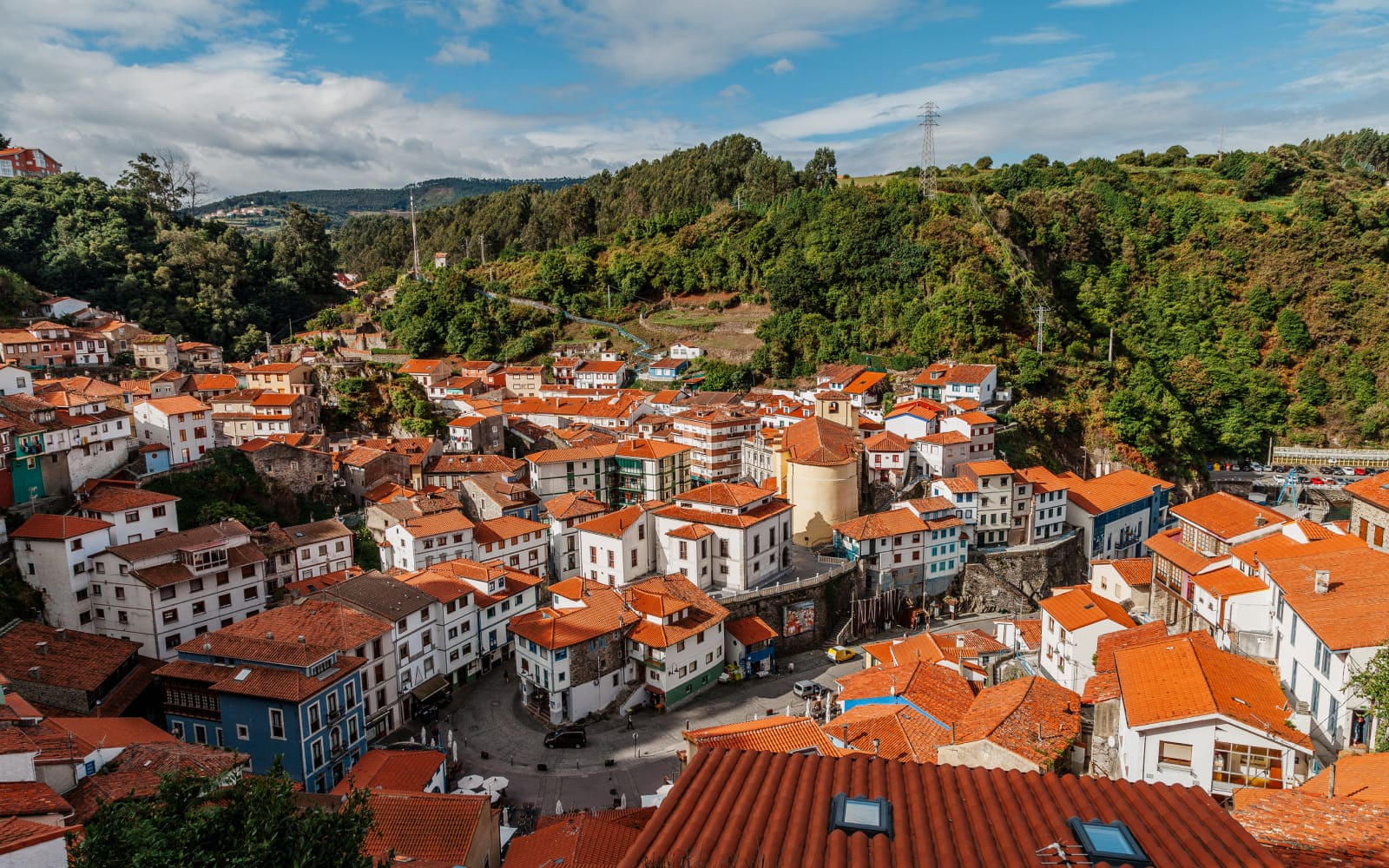
Asturias brings together two very different kinds of escape: the wild Atlantic coast and the green mountains of the Picos de Europa. In between are handsome cities, colourful fishing villages and cider houses where meals seem to last as long as the conversation. It suits couples looking for scenic walks and memorable dinners, as well as families keen to mix beach days with outdoor adventures.
Come for the landscapes, but leave room for the local rituals: a stroll through an old town, a glass of naturally poured cider and a table full of hearty Asturian cooking. With so much variety, a road holiday is an especially rewarding way to explore.
Make sure you visit:
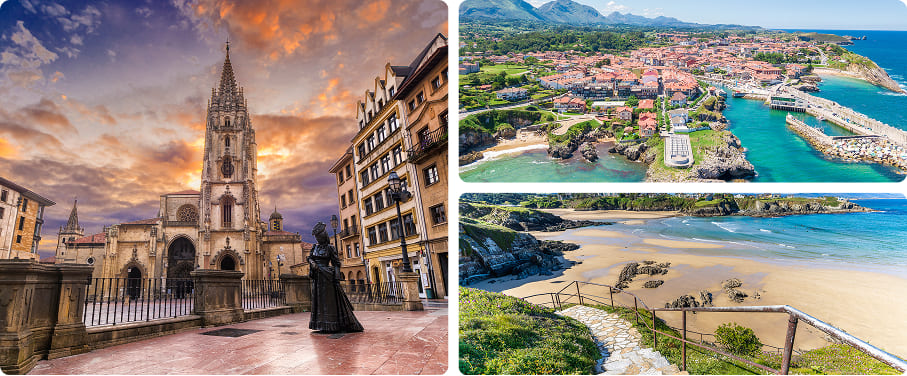
Begin in Oviedo, where the elegant old town is made for an unhurried wander between its squares and cathedral. When you’re ready for a livelier mood, head to Calle Gascona, known for its cider houses, and watch the traditional pour that aerates the cider before it reaches your glass.
From the city, make your way to Cangas de Onís, whose famous Roman Bridge is a lovely introduction to the region’s mountain scenery. Continue into the Lagos de Covadonga, where mountain peaks and still waters create one of Asturias’ most memorable views. If you prefer coastal character, Cudillero is a lovely place to linger, with brightly coloured houses rising above its harbour.
Beaches we think you'll like:
Asturias’ coast is a pleasure to explore slowly, with stretches of open sand, dramatic cliffs and small coves. The beaches near Llanes make a good choice for families and anyone who likes combining a swim with a wander through a lively historic town. Visit on a clear day to appreciate the contrast between the green countryside and the Cantabrian Sea.
For a more unusual stop, seek out Gulpiyuri, a small inland beach set in a meadow near Llanes. Its sheltered, curious setting makes it quite different from a conventional seaside day out, although it is best thought of as a short visit rather than a place to spend the whole day. The coast around Ribadesella, where the Sella meets the sea, is another appealing choice for a walk beside the water and a relaxed break in the harbour.
Family-friendly activities:
A summer canoe descent of the Sella is one of the region’s most enjoyable family adventures. It brings you close to the landscape at river level, with time outdoors and a sense of occasion that makes the day feel special. Check local conditions and age requirements before booking, as these can vary.
For a gentler outing, explore the paths and viewpoints around the Lagos de Covadonga, choosing a walk that suits your family. Older children and confident walkers may be drawn to the famous Ruta del Cares, but its mountain route calls for good preparation and is not the easiest choice for a casual family stroll. Back in town, an evening walk through Cimavilla in Gijón offers a change of pace, with its old maritime quarter and sea views.
Local delicacies you have to try:
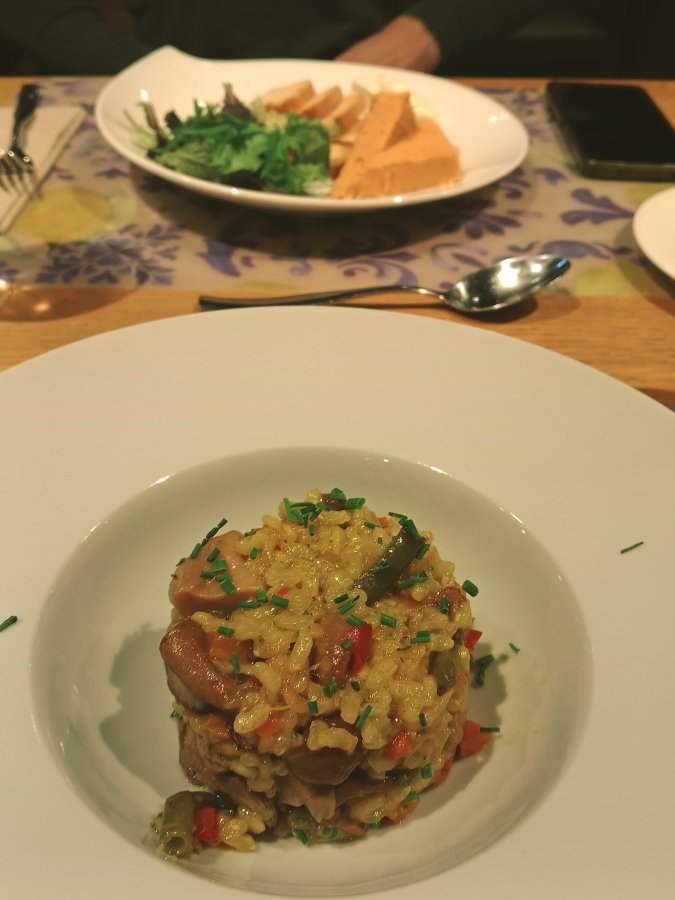
Asturian food is made for long, sociable meals. Start with fabada, the region’s rich bean stew, or try cachopo, a generous breaded dish that is often shared. In Gijón, El Recetario offers an updated take on traditional cooking, while Tierra Astur Gascona in Oviedo is a lively place to sample local dishes, cheeses and cider.
The Cantabrian coast brings excellent seafood, including pixín, the local name for monkfish, while artisan cheeses are worth seeking out, especially Cabrales. Finish with rice pudding topped with a caramelised crust, then order a little natural cider and take your time over the last sips.
Make the most of your visit:
Asturias is best explored at a relaxed pace, with a scenic drive and time for spontaneous stops along the way. From Oviedo, these coastal towns make rewarding day holidays by car:
We have more than 80 deals available. Find the one that suits you best.


