The most glamorous spot on the Costa Dorada!
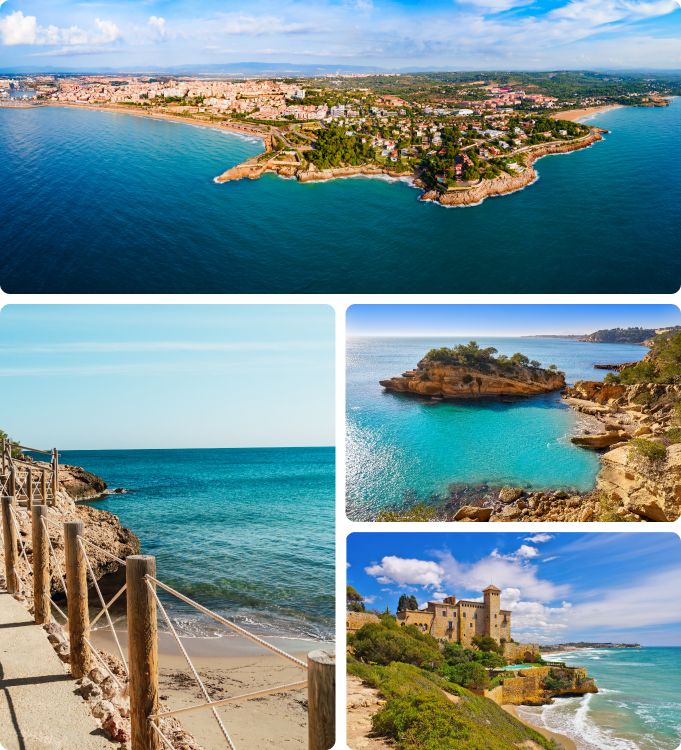
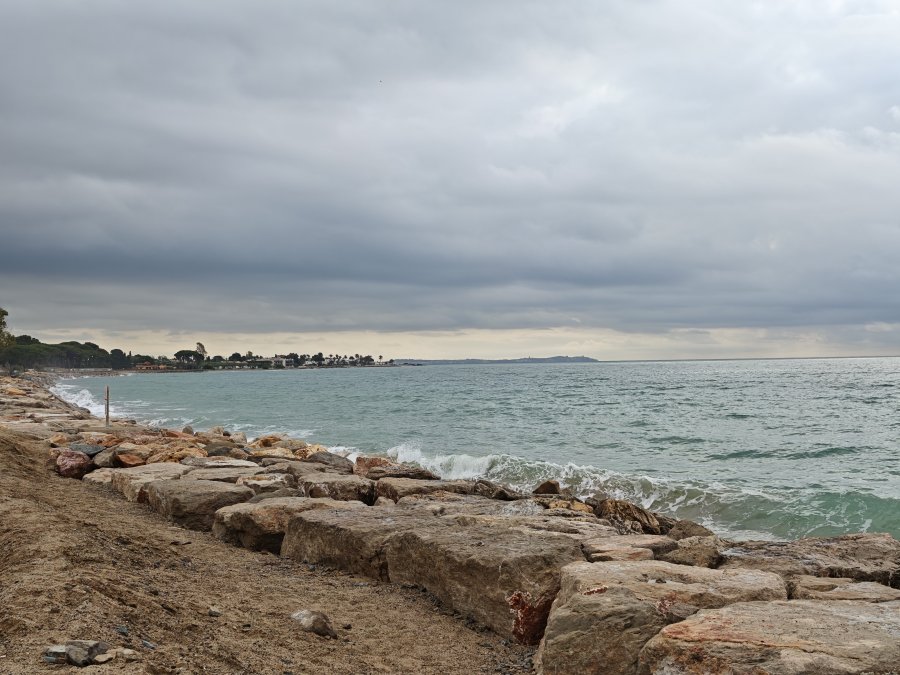
Part of the municipality of Mont-roig del Camp (Tarragona), Miami Platja is a stretch of coastline famous for its charming coves sheltered by reddish cliffs and pine forests that reach all the way to the sea.
Discover some of its most fascinating facts and secrets:
- A name inspired by Florida: Miami Platja was founded in the late 1950s by developer Marcel·lí Esquius. Attracted by the area's mild microclimate and light, he decided to create a tourist development inspired by the famous city in Florida, USA, adapting the name to Catalan with “Platja”.
- Cosmopolitan names for its coves: In keeping with the international spirit of the 1960s, its idyllic coves don't have traditional local names, but instead evoke faraway places and suggestive concepts: Cala California, Cala Bot, Cala dels Vienesos, Cala Sireneta, Cala Misteri and Cala de les Sirenes.
- Joan Miró's “magnet”: Although the brilliant surrealist painter had his farmhouse in the inland village of Mont-roig del Camp, the contrast between the reddish cliffs of Miami Platja and the blue Mediterranean Sea deeply inspired his famous colour palette.
- A hideout for Barbary pirates: Centuries before becoming a tourist destination, the coast of Miami Platja was a deserted area frequented by privateers. At Cala dels Vienesos or Cala del Solitari, pirates would secretly disembark before heading inland to plunder nearby villages.
- An ecosystem of dunes and hidden bunkers: Playa del Cristal (Platja del Cristall) preserves remnants of the Spanish Civil War, including old machine-gun nests and bunkers partly buried among the coastal vegetation and sand.
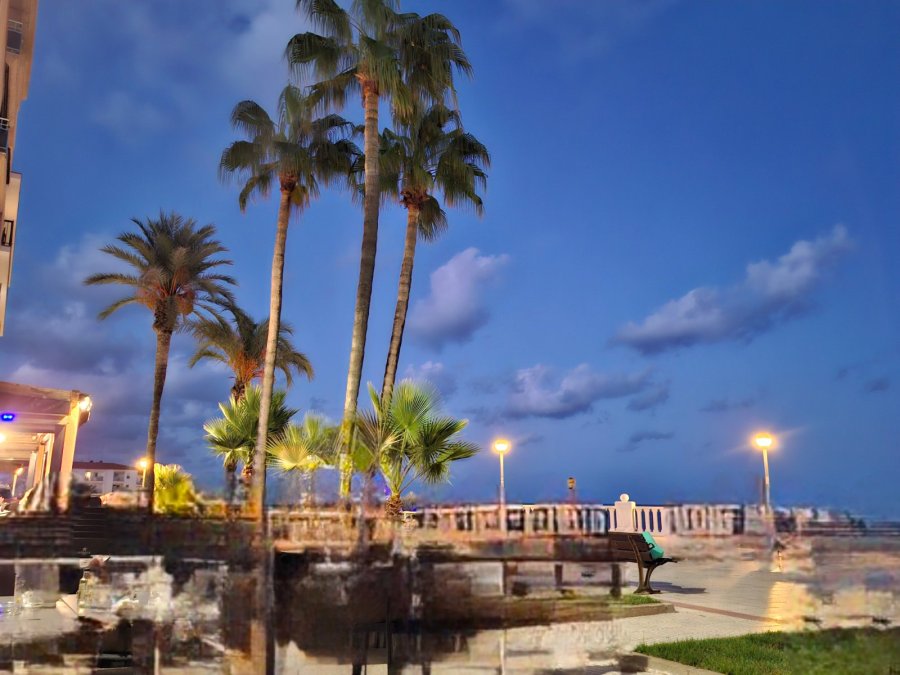
Our recommendation: For one of the best views of its string of coves, walk or cycle along the seafront promenade at sunset. It connects the northern coves with the wide, golden-sand beaches to the south.
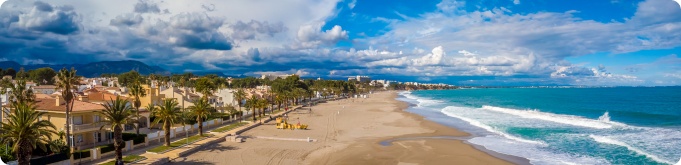
The Costa Daurada, Tarragona's "Golden Coast", owes its name to long beaches of fine golden sand lapped by calm, shallow water. Behind them lie UNESCO-listed Roman ruins, fishing towns where the day's catch still arrives at the harbour, and vineyards climbing into the hills. Its mild climate makes it inviting for much of the year.
It's a natural fit for families, with gentle beaches and one of Europe's leading theme parks on the doorstep, and just as rewarding for couples looking for seaside walks, long lunches and a touch of history. Salou and Cambrils make convenient bases for exploring it all.
Make sure you visit:
Start in Tarragona, once the Roman city of Tarraco. The amphitheatre sits right beside the sea, while the circus, the old walls and the cathedral in the Part Alta reveal almost two thousand years of history. Finish at the Balcó del Mediterrani, a viewpoint where locals touch the iron railing for good luck.
Back on the coast, Cambrils keeps its fishing port and relaxed seafaring character, perfect for an evening stroll. Inland, Reus, Gaudí's birthplace, rewards you with a trail of modernist buildings and a much-loved vermouth tradition, best enjoyed at midday in one of its squares.
Beaches we think you'll like:
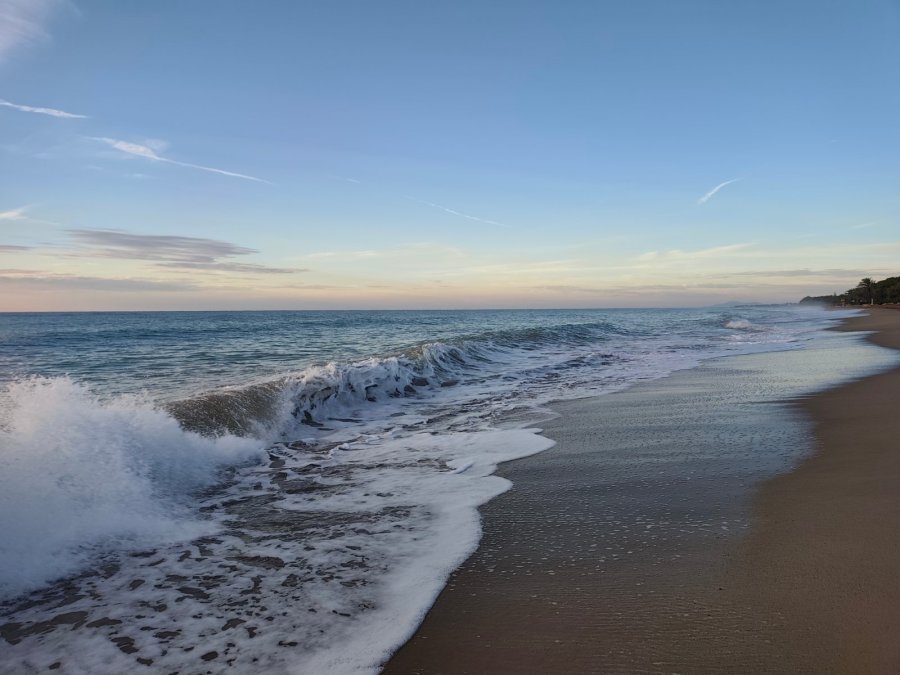
In Salou, Platja Llarga lives up to its name with a long, quieter stretch of sand backed by pine trees, while the beaches of La Pineda offer plenty of space and shallow water for little ones. In Tarragona, Platja del Miracle lets you swim just below the Roman amphitheatre.
For a different side of the coast, walk Salou's Camí de Ronda, a seafront path linking small coves and rocky viewpoints. Further north, the beach below medieval Tamarit Castle is one of the most photogenic spots on the Costa Daurada.
Family-friendly activities:
A day at PortAventura World is a must for families, combining the theme park, Ferrari Land and a water park in one resort. Plan a full day there and save the next for a slower rhythm by the sea.
On quieter days, hire bikes and follow the seafront promenades at your own pace, or try paddle surfing or kayaking in calm water. Children also love watching the fishing boats in Cambrils harbour.
Local delicacies you have to try:
Cooking here looks to the sea. Order black rice, seafood rice or fideuà, made with short noodles instead of rice, and always ask for romesco, the local sauce of roasted peppers, almonds and garlic. In winter and spring, join a calçotada, where grilled spring onions are dipped in romesco and eaten by hand.
For a relaxed meal, El Llop de Mar in Cambrils serves fish and seafood from the town's fish market at very reasonable prices. For a special occasion, book a table at Can Bosch, also in Cambrils, which has held a Michelin star since 1984. Pair everything with wines from the Priorat or Montsant.
Make the most of your visit:
The Costa Daurada is a great base for day trips, from Cistercian monasteries to wild river deltas. Approximate driving times from Salou:
- Poblet Monastery (45 minutes): a UNESCO-listed Cistercian monastery, still home to a community of monks.
- Siurana (1 hour): a tiny clifftop village with sweeping views over the Priorat.
- Ebro Delta (1 hour): rice fields, wild beaches and flamingos.
- Barcelona (1 hour 15 minutes): a full day of culture, architecture and city life.