Curiosities of Rincón de la Victoria
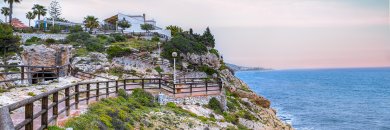
Rincón de la Victoria is far more than “the gateway to the Axarquía.” It’s a destination packed with legends, hidden treasures, and extraordinary geological wonders that make it one of the most surprising spots on the Costa del Sol.
Here are some fascinating facts you may not know about this Málaga gem:
-
Cueva del Tesoro: Unique in Europe
This is local pride at its finest. It’s the only marine-origin cave open to visitors in all of Europe — and one of just three in the world. Formed underwater by powerful sea currents, it later emerged above the surface, creating a natural masterpiece unlike any other on the continent.
-
The Legend of the Treasure of the Five Kings
Its name isn’t random. Legend says the Almoravid emperor Tasufín ben Alí hid a spectacular treasure of gold coins inside the cave before fleeing a revolt. For centuries, adventurers have searched for it. In the 19th century, a Swiss explorer named Antonio de la Nari spent 30 years blasting tunnels in pursuit of the treasure — and tragically died in an explosion inside the cave. Mystery still lingers.
-
The Origin of the Name
It wasn’t always called Rincón de la Victoria. In the past, it was known as Aldea de Bezmiliana. The current name dates back to the 19th century, when the municipality belonged to the monks of the Order of the Minims, linked to the Virgen de la Victoria convent in Málaga.
-
A Military Frontier: Castillo de Bezmiliana
Forget fairy-tale castles. Built in 1766 by order of King Carlos III, this fortress had a clear mission: defend the coast from English and Dutch pirates. Instead of towering spires, it features a distinctive horseshoe-shaped defensive design.
-
The “Cantal” Tunnels
Today they form part of a scenic seaside promenade toward La Cala del Moral. In the past, these rock-carved tunnels were used by the narrow-gauge railway that connected Málaga with Vélez-Málaga — the legendary “Tren de la Costa.”
-
A 30,000-Year-Old Past
In the nearby Cueva de la Victoria, prehistoric cave paintings and remains prove that this area was already inhabited during the Paleolithic era. Neanderthals and early Homo sapiens were enjoying these views long before we ever did.
Rincón de la Victoria isn’t just a beach destination. It’s history, legend, and natural wonder — all in one unforgettable place.

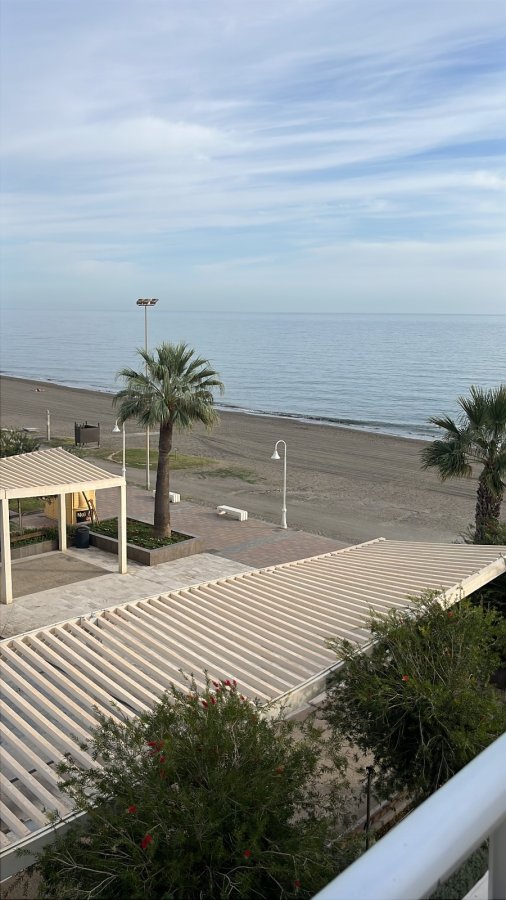
The Costa del Sol stretches along Andalusia's sunny southern coast, from Nerja in the east to Estepona in the west. With mild weather almost all year round, long golden beaches and whitewashed villages tucked into the hills, it's one of Spain's most popular holiday destinations, and for good reason.
It works brilliantly for families, with plenty to keep children busy, and for couples who want to mix beach days with culture, great food and a little bit of glamour.
Make sure you visit:
Start in Málaga, where the Moorish Alcazaba looks down over the old town, the cathedral and the Picasso Museum, all within an easy stroll of the port. From there, head west along the coast to Marbella, whose old town is a maze of white lanes and flower-filled squares.
Just above the coast, Mijas Pueblo is a lovely spot for an afternoon wander, with sweeping views over the Mediterranean. In the evening, take a walk around Puerto Banús to see the superyachts and designer boutiques.
Beaches we think you'll like:
In the city, La Malagueta is lively and well equipped, perfect if you want the beach and the old town in the same day. Further west, Cabopino in Marbella has natural dunes and a more relaxed feel.
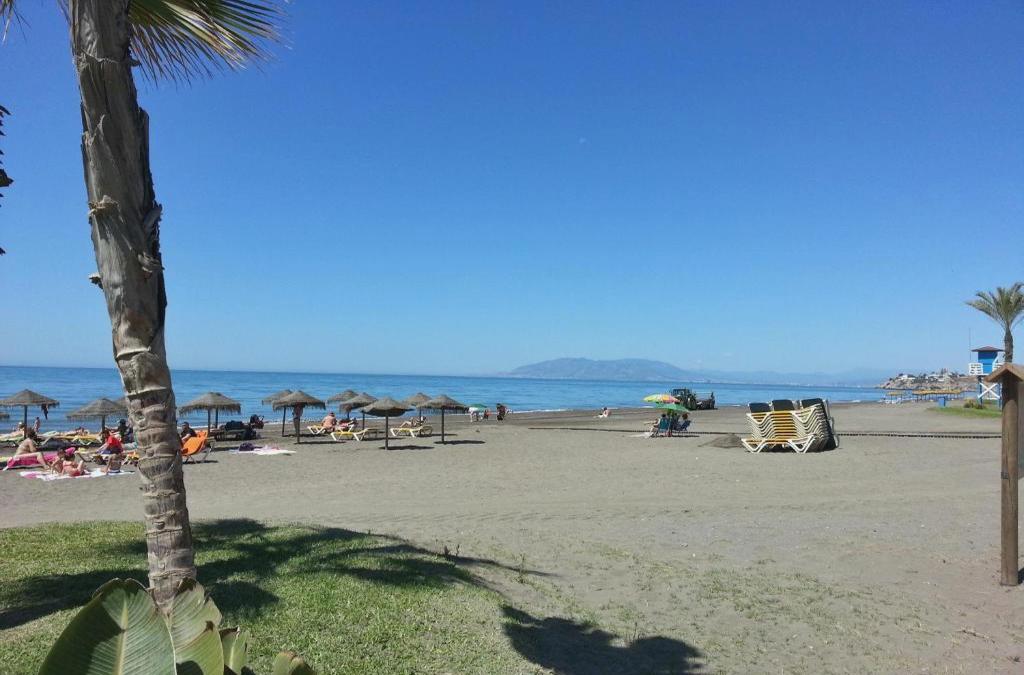
Families love the long, sandy beaches of Fuengirola, with calm water and plenty of facilities along the promenade. And to the east, Burriana in Nerja is a favourite for water sports and seafood lunches by the sea.
Family-friendly activities:
A day at Bioparc Fuengirola, a zoo designed to recreate natural habitats, is a hit with children of all ages. For a safari-style experience, Selwo Aventura near Estepona lets you see animals roaming in wide open spaces.
On hot days, the slides and pools at Aqualand Torremolinos are hard to beat. Or simply hire bikes and ride along the seafront promenades, stopping for an ice cream along the way.
Local delicacies you have to try:
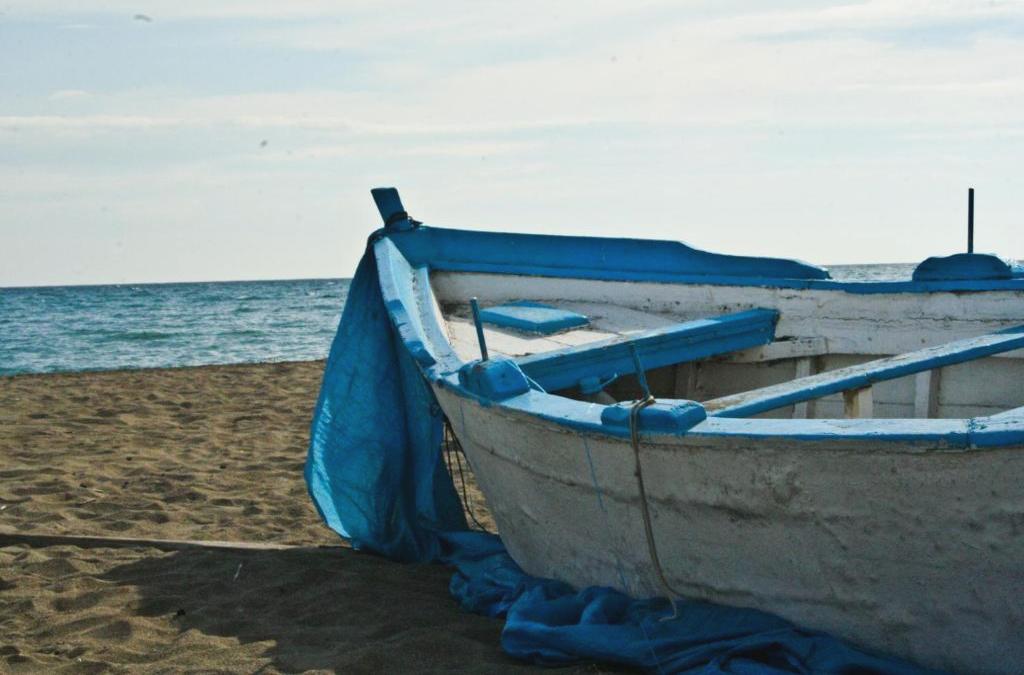
Food here is all about the sea. Order espetos de sardinas, sardines skewered and grilled over an open fire in old boats on the sand, at a beach bar at lunchtime. Follow them with a plate of pescaíto frito, lightly fried fish, and a glass of something cold.
On warm evenings, a bowl of ajoblanco or gazpacho is wonderfully refreshing. And for breakfast, do as the locals do and dip churros in thick hot chocolate.
Make the most of your visit:
The Costa del Sol is a great base for exploring Andalusia. These are our favourite trips from Málaga:
- Nerja (50 minutes): spectacular caves and the famous Balcón de Europa.
- Caminito del Rey (1 hour): a breathtaking walkway clinging to the walls of a gorge.
- Ronda (1 hour 30 minutes): a clifftop town split by a dramatic gorge and its iconic bridge.
- Granada (1 hour 30 minutes): home to the unforgettable Alhambra.