La Manga del Mar Menor: where two seas meet
What is now one of Spain’s most popular holiday destinations was once nothing more than a strip of dunes and wild sandbanks. In La Manga, you can literally walk with a different sea on each side.
-
The only place where you can swim in two seas on the same day
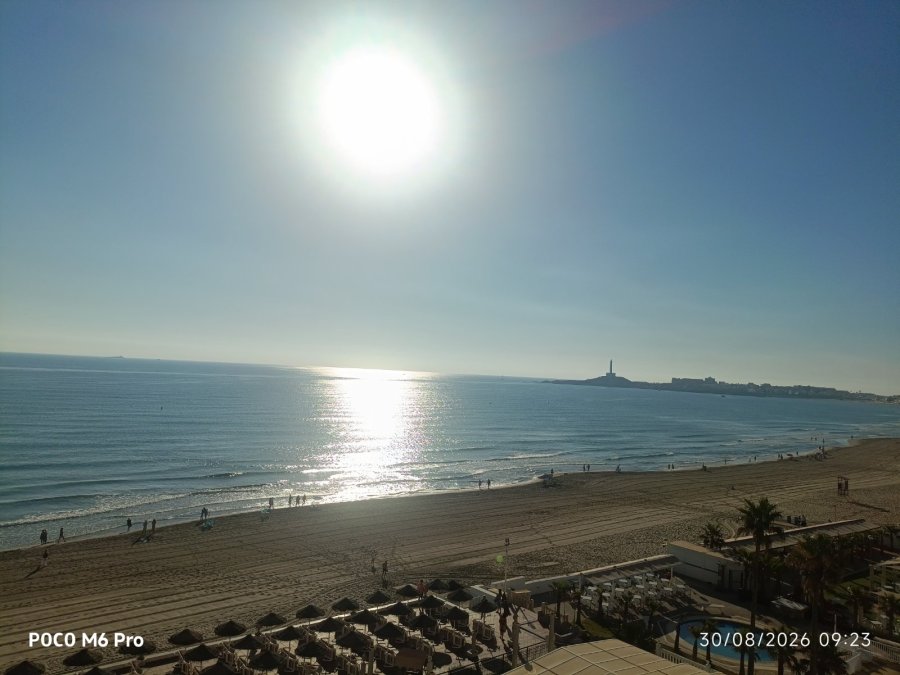
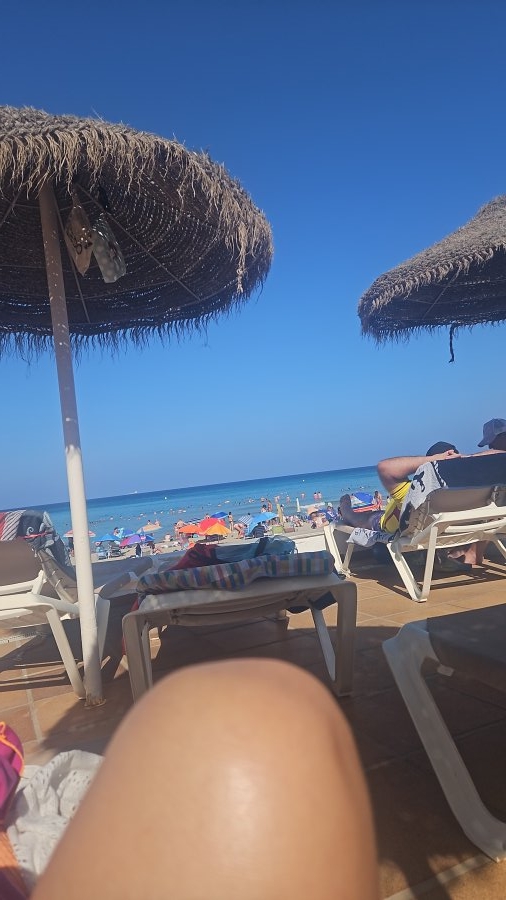
This is La Manga’s biggest attraction and it’s completely real. In some areas, the strip is barely 300 metres wide: on one side, the calm and warm waters of the Mar Menor, and on the other, the Mediterranean Sea with its waves and cooler temperatures. You can start the morning floating peacefully in one sea and cross the road to dive into the other.
-
From wild dunes to holiday paradise
Until the 1950s, La Manga was practically untouched. A landscape of huge dunes covered with junipers and pine trees, with only a few fishermen’s houses and a lighthouse. Its transformation began in the 1960s and completely changed the area in just a few decades.
-
The “golas”: channels connecting both seas
The Mar Menor is not entirely enclosed. It stays alive thanks to the “golas”, natural channels that connect it to the Mediterranean Sea and allow water to flow between both seas. The most famous is the Gola de la Encañizada, where a traditional fishing technique of Arab origin is still used today.
-
The mysterious shipwreck near Isla Grosa
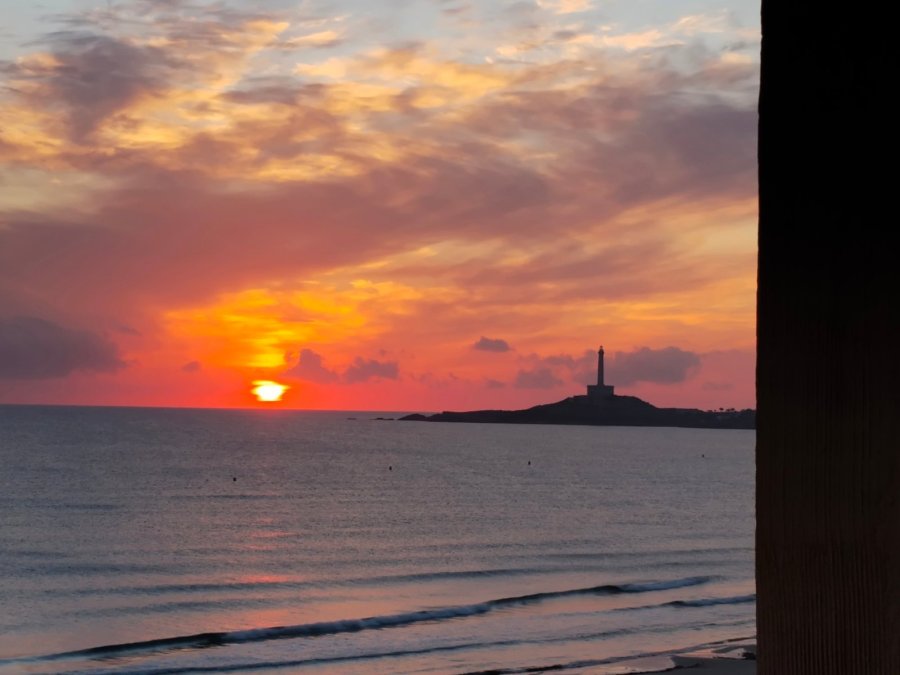
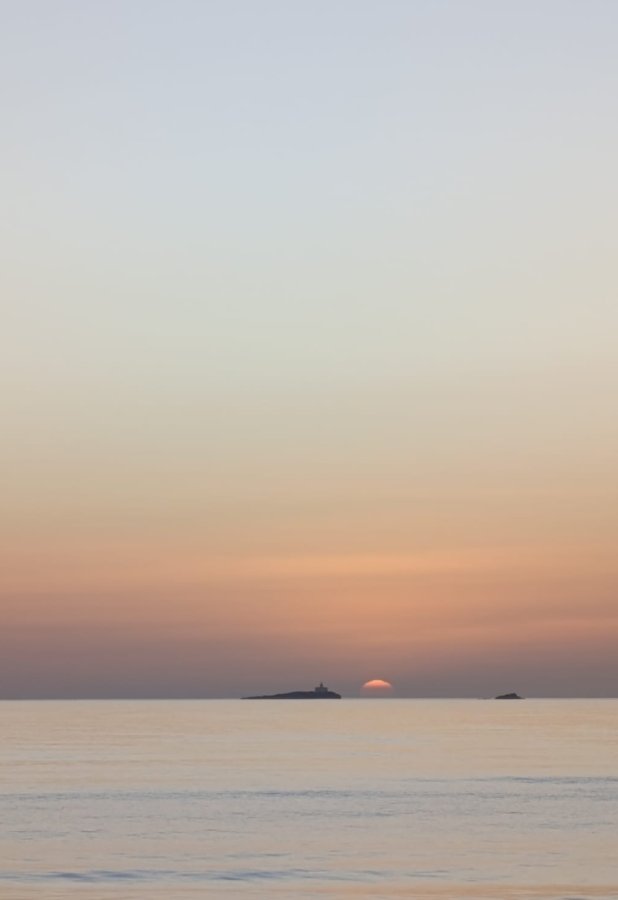
Just opposite La Manga lies Isla Grosa. Beneath its waters rests the “Bajo de la Campana”, an archaeological site where a Phoenician ship sank over 2,600 years ago. Archaeologists discovered treasures including tin ingots, engraved elephant tusks and ancient ceramics. Today, the silhouette of the island is one of the most iconic views in the area.
-
The therapeutic mud baths of Las Charcas
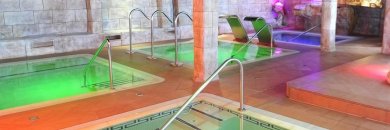
Nearby, in the Lo Pagán area, you’ll find one of Europe’s largest open air mud therapy spots. Thanks to the high salinity of the Mar Menor and the sunshine, mineral rich mud forms naturally on the seabed. Watching visitors cover themselves head to toe in mud before rinsing off in the sea is part of the local experience.
-
The “Bridge of Laughter”
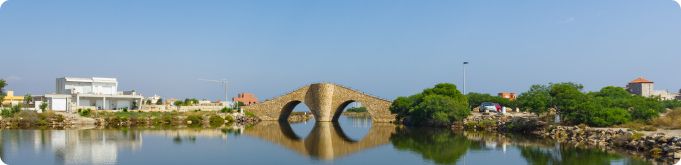
At kilometre 14, in the Veneziola canal area, you’ll find one of La Manga’s most curious landmarks: a bridge with a dramatic arch shape inspired by Venice. Locals nicknamed it the “Bridge of Laughter” because of the roller coaster feeling you get in your stomach when driving across it.
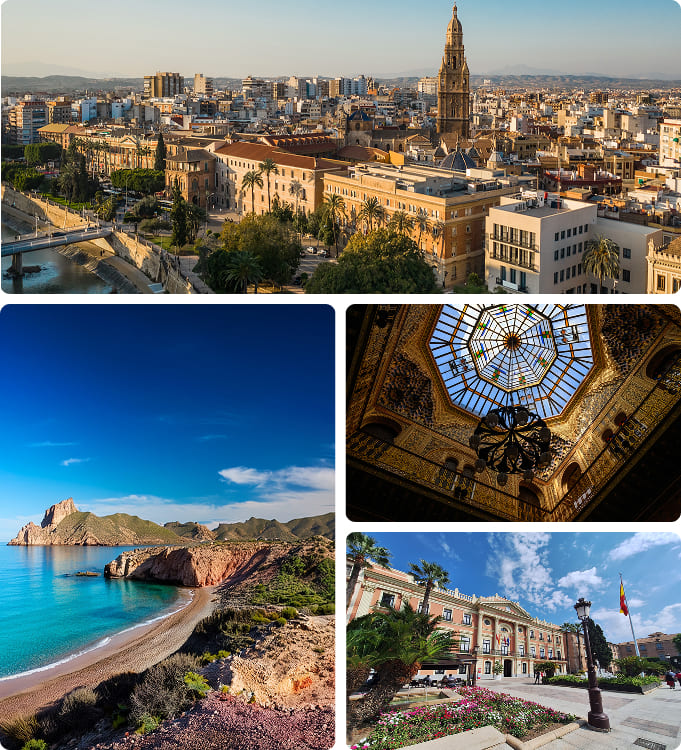
The Region of Murcia is one of Spain's best-kept secrets. Tucked away in the sunny southeast, it combines more than 250 kilometres of coastline, cities shaped by Romans and Moors, rugged inland sierras and a fertile huerta that supplies some of the best fruit and vegetables in Europe. With over 300 days of sunshine a year, it's a destination you can enjoy in almost any season.
It suits families looking for calm, warm water just as well as couples who'd rather spend their days between historic old towns, wineries and long lunches. And because it's still far less crowded than other parts of the Mediterranean, it feels refreshingly authentic.
Make sure you visit:
Start in the regional capital, where the Catedral de Murcia greets you with one of the most spectacular Baroque façades in Spain. From there, head to Cartagena, about 45 minutes away, a port city with 3,000 years of history. Its Roman Theatre, rediscovered beneath the old town, is the undisputed highlight.
Inland, Lorca is crowned by its huge medieval castle, while Caravaca de la Cruz, one of the five holy cities of the Catholic world, rewards the climb to its sanctuary with sweeping views. If you love nature, save a morning for the Cañón de Almadenes, a dramatic gorge carved by the Segura river.
Beaches we think you'll like:
The Mar Menor, Europe's largest saltwater lagoon, is the region's great family favourite. Beaches such as Los Alcázares have shallow, warm and very calm water. Just across the strip, La Manga lets you choose between the lagoon and the open Mediterranean on the same day.
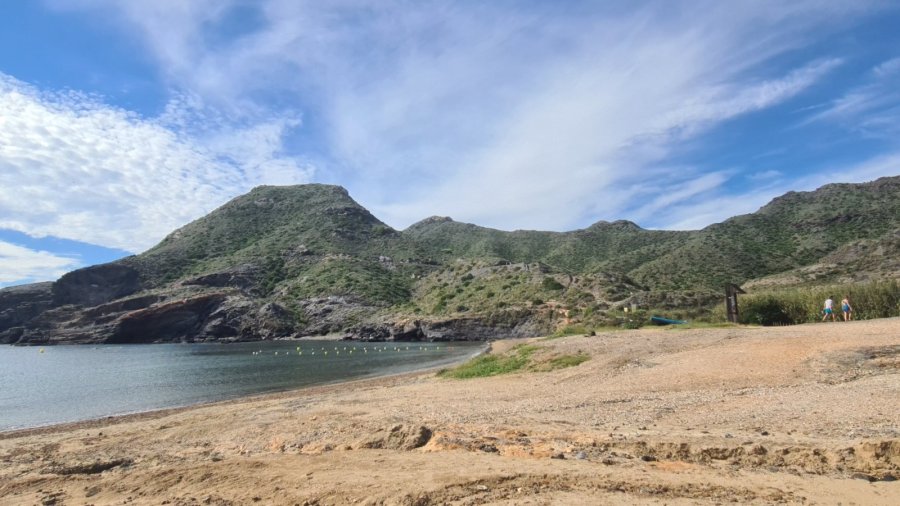
For something wilder, the Calblanque regional park hides golden coves and fossil dunes with no buildings in sight. Further south, the Bolnuevo beach in Mazarrón is famous for its wind-sculpted sandstone formations, and the small coves around Águilas are perfect for a quiet swim.
Family-friendly activities:
A family day out could start on the Mar Menor, where the calm water is ideal for children to try kayaking, sailing or paddleboarding. In the afternoon, take a walk around the salt flats of San Pedro del Pinatar, where it's common to spot flamingos.
If the weather turns or you fancy a change, Cartagena's Roman sites and museums bring history to life for all ages. Older children will also love snorkelling in the clear waters off Cabo de Palos, one of Spain's best marine reserves.
Local delicacies you have to try:
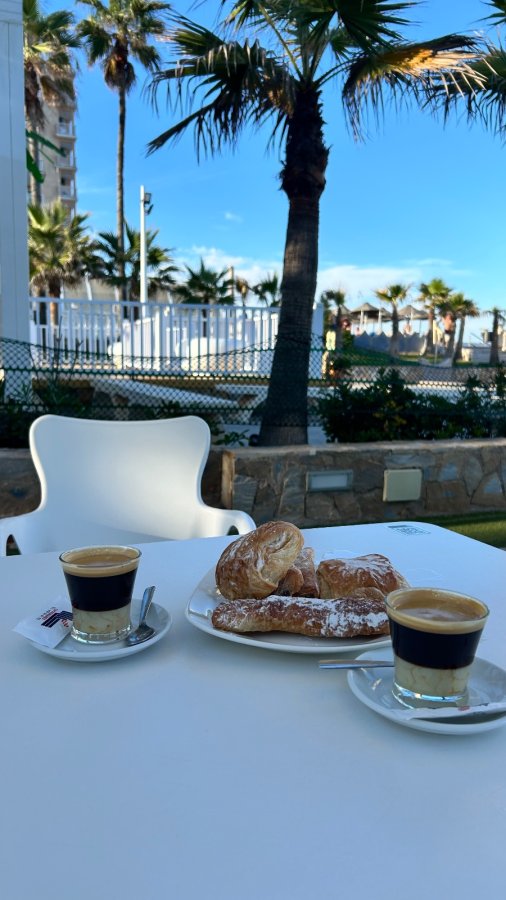
Murcian food is all about the huerta and the sea, and the best way to discover it is by sharing tapas. Order a marinera, a breadstick ring topped with Russian salad and an anchovy, or a slice of pastel de carne, the region's famous meat pie. Try the zarangollo, a simple scramble of courgette, onion and egg.
On the coast, the dish to look for is caldero, a rich rice cooked in fish stock, traditionally eaten by the Mar Menor. Pair it with a red wine from Jumilla or Yecla. Then finish the local way with paparajotes: lemon leaves fried in batter and dusted with sugar and cinnamon. Remember not to eat the leaf.
Make the most of your visit:
The region is also a great base for exploring the neighbouring Costa Blanca and Andalusia. These are our favourite day trips, with times from Murcia city:
- Elche (45 minutes): its vast palm grove is a UNESCO World Heritage Site.
- Alicante (1 hour): a castle above the city and a lively seafront promenade.
- Tabarca Island (1 hour's drive to Santa Pola, then a short boat crossing): crystal-clear water and seafood rice.
- Cabo de Gata (around 2 hours): volcanic landscapes and some of Spain's wildest beaches.