Curiosities about Coma-ruga
Comarruga is much more than a beach. Beneath its calm seaside image lies a mix of thermal waters, cultural heritage and unique natural phenomena that set it apart on the Costa Dorada.
-
Thermal water on the sand
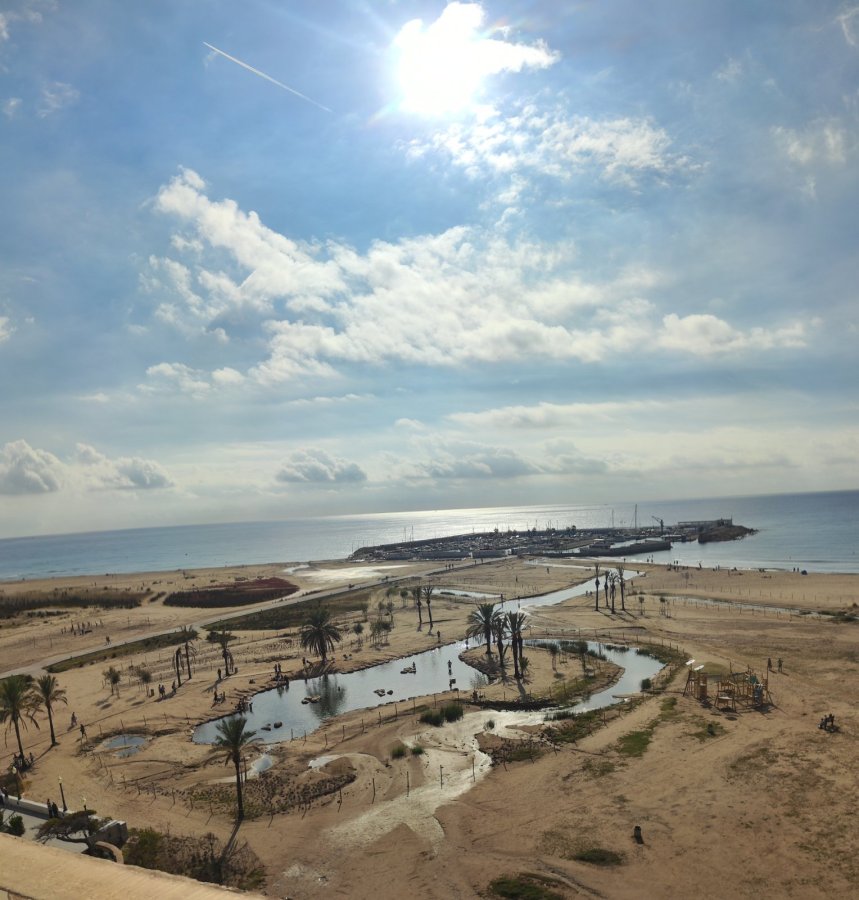
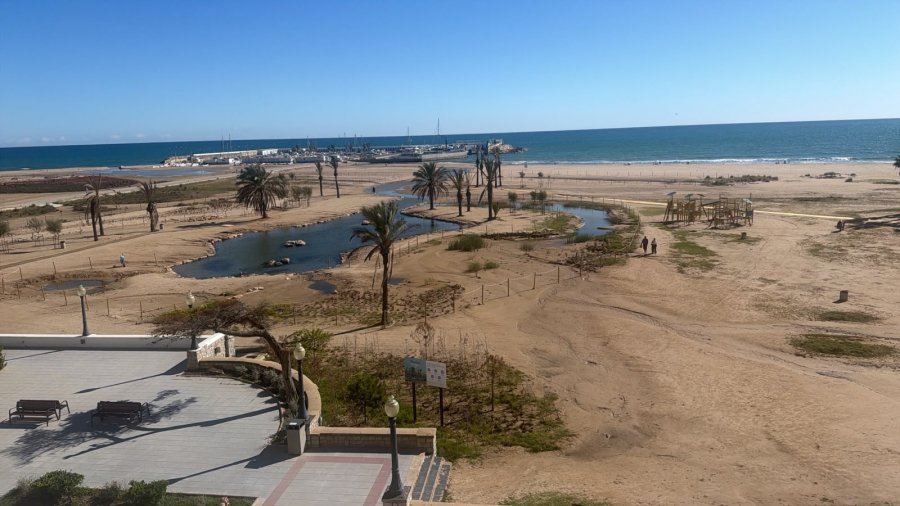
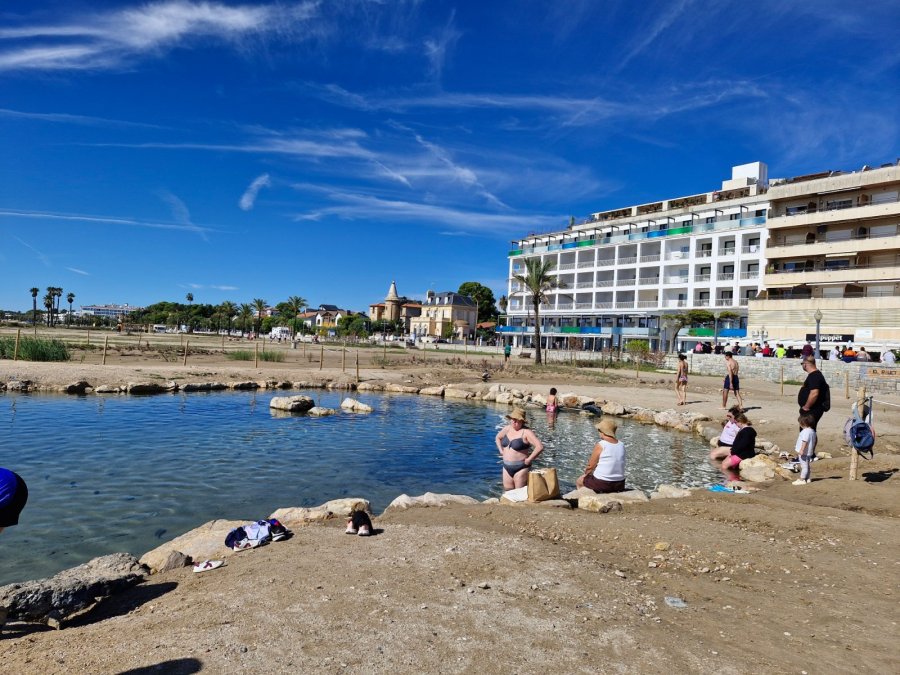
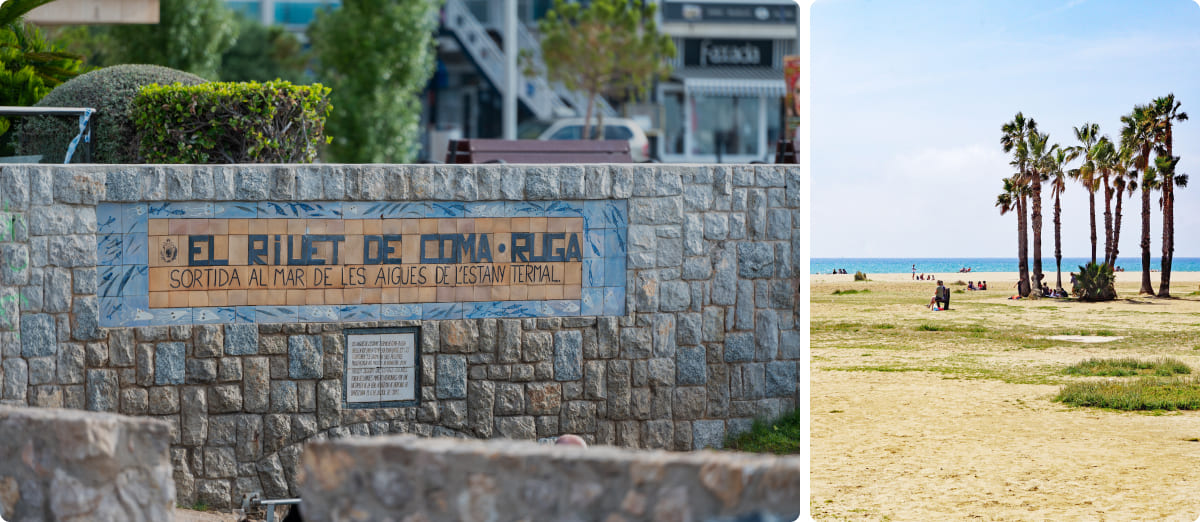
Right in the heart of Comarruga, a thermal spring flows directly into the beach. Its water emerges at a constant 18–21°C all year round and is rich in mineral salts. Best of all, it’s public — you can bathe in the Riuet for free, even in winter.
-
From elite spa resort to family favourite
In the early 20th century, Comarruga was an exclusive health destination. A grand spa attracted Barcelona’s bourgeoisie, drawn by waters said to be miraculous for skin and joint conditions.
-
Pau Casals’ Mediterranean refuge
World-famous cellist Pau Casals chose nearby Sant Salvador as his summer retreat. Today, his seafront home is a museum that reflects how the light and sound of this coastline inspired his music.
-
A unique marine reserve
Just offshore lies the Masia Blanca protected area, created to preserve a circular reef full of biodiversity. Freshwater currents from the thermal spring create marine life you won’t usually see so close to the coast.
-
Golden, crystal-fine sand
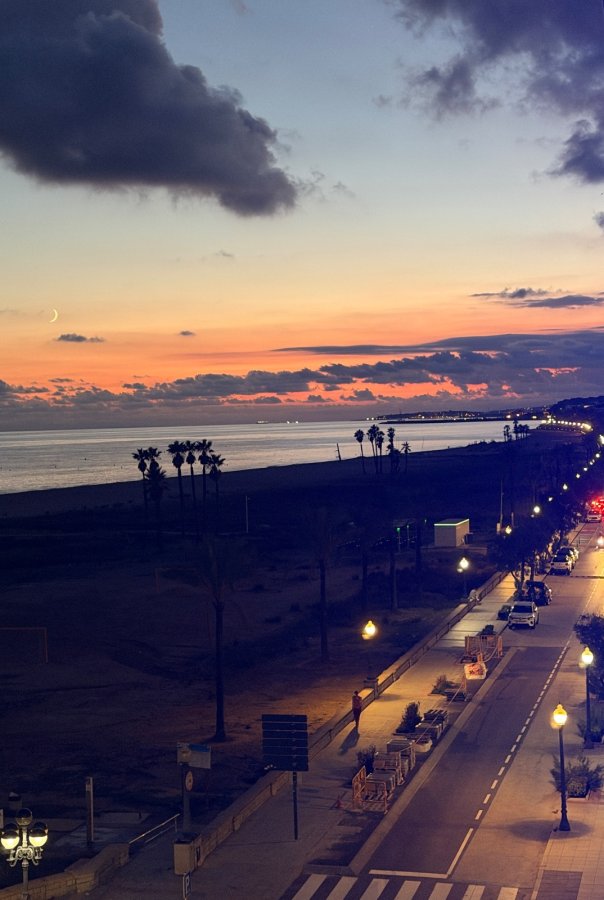
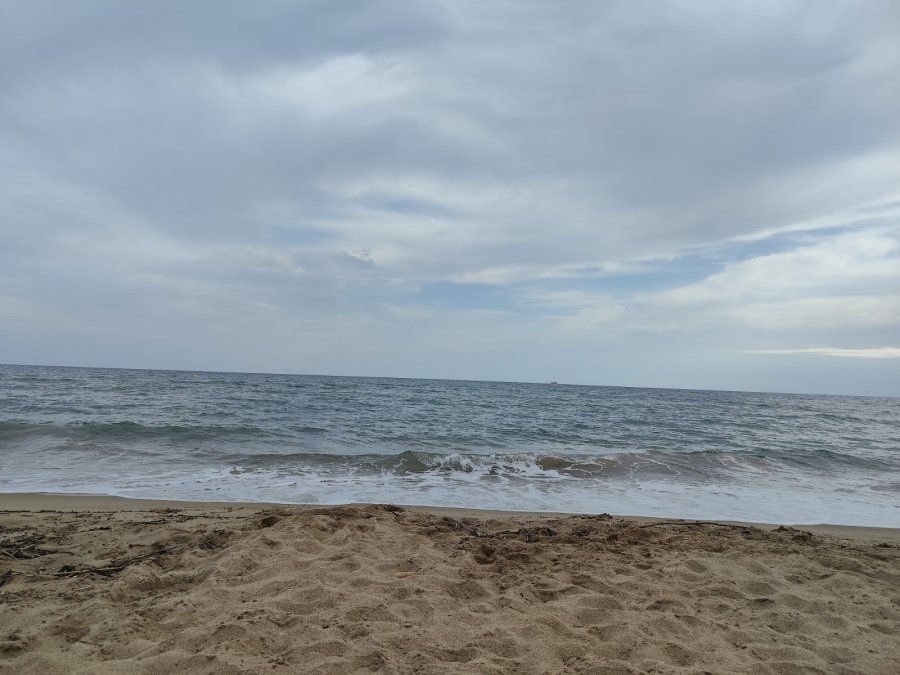
Comarruga’s beach is exceptionally wide and known for its fine, intensely golden sand, shaped by quartz- and feldspar-rich rocks from nearby mountains — even in August, there’s room to breathe.
-
A harbour with a twist
Its marina was built by reclaiming land from the sea to protect boats from strong Levante winds, giving it a distinctive shape and an unusual engineering story.
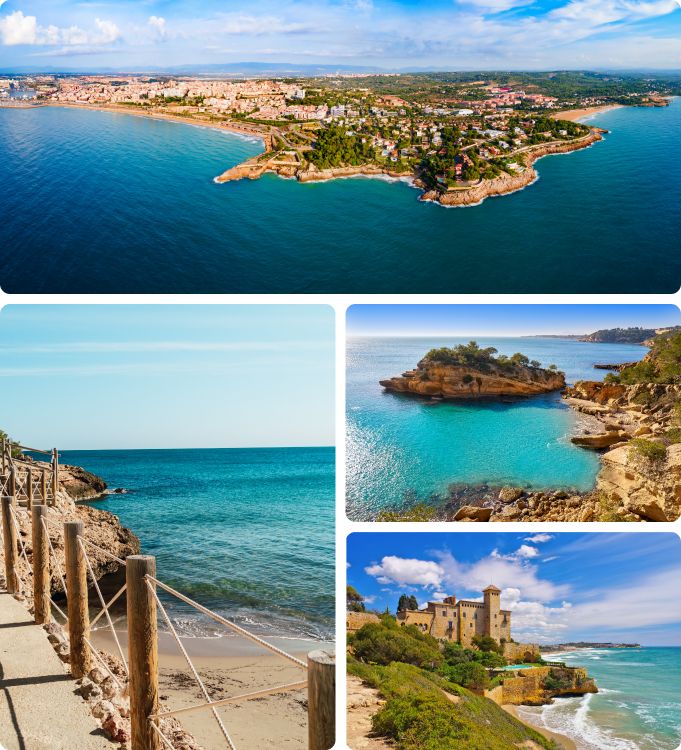
Costa Daurada is a Mediterranean coastline of golden sand, calm shallow water and towns with very different personalities. In the province of Tarragona, Roman landmarks and fishing harbours sit alongside lively beach resorts and one of Europe’s best-known theme park destinations.
It’s an easy choice for families looking for beach days and big adventures, but couples will find plenty to enjoy too, from historic streets and coastal walks to seafood suppers and a glass of local wine. Come in summer for the full beachside buzz, or choose a quieter season for sightseeing and long lunches.
Make sure you visit:
Begin in Tarragona, once the Roman city of Tarraco, where the seafront amphitheatre, ancient circus and city walls bring the past vividly into view. In the Part Alta, the cathedral crowns a maze of old streets, while the Balcó del Mediterrani offers a memorable outlook over the sea. Late afternoon is a lovely time to explore, when the light softens across the stone.
From Tarragona, make your way along the coast to Cambrils, where fishing boats and a working harbour lend the town an easygoing maritime feel. Nearby Salou is livelier, with plenty of places to stroll and the scenic Camí de Ronda linking stretches of coastline and tucked-away coves. Inland, Reus, Gaudí’s birthplace, makes a rewarding change of pace, with Modernista architecture and a longstanding tradition of vermouth.
Beaches we think you'll like:
The Costa Daurada’s sandy beaches are a big part of its appeal, especially for families who appreciate gently shelving water. Platja Llarga in Salou has room for a relaxed day by the sea, while the beaches of La Pineda are another good choice for swimming and building sandcastles with younger children.
For a beach break close to the city, head to Platja del Miracle in Tarragona. It pairs a sandy shoreline with views back towards the Roman amphitheatre, making it easy to combine a swim with a little sightseeing. Each beach has its own atmosphere, so you can choose between a lively resort setting and a more leisurely day beside the water.
Family-friendly activities:
For a high-energy day out, PortAventura World brings together a theme park, Ferrari Land and a water park, with plenty to keep different ages entertained. It’s worth setting aside a full day, particularly if you’re visiting with children who want to try the rides as well as cool off in the pools.
On quieter days, take a family cycle along the coast or try paddleboarding and kayaking on the calmer water. The Camí de Ronda is another lovely way to explore together: choose a manageable stretch, pause at a cove, and let the children enjoy the journey as much as the destination.
Local delicacies you have to try:
Meals here tend to follow the coast. Look out for seafood rice, arroz negro and fideuà, often made with fresh fish and shellfish from the harbour. In Cambrils, El Llop de Mar is a family-run option by the port, known for seafood, rice dishes, rossejat noodles and homemade romesco.
For a special occasion, Can Bosch, also in Cambrils, is a celebrated choice for Catalan seafood cooking and arroz negro. Elsewhere, try xató, a local salad of endive, cod and anchovies, dressed with romesco sauce. In winter or spring, a calçotada is a memorable seasonal meal; pair local dishes with wines from Priorat, Montsant or Tarragona.
Make the most of your visit:
The coast makes a relaxed base for exploring inland landscapes and quieter corners of Catalonia. If you have a day to spare, these two holidays offer a striking contrast to the beach resorts:
- Monastery of Poblet (under an hour by car from Salou): a UNESCO World Heritage site and a highlight of the Cistercian Route.
- Ebro Delta (about an hour by car from Salou): explore vast rice fields, wild beaches and wetlands where flamingos can be spotted.