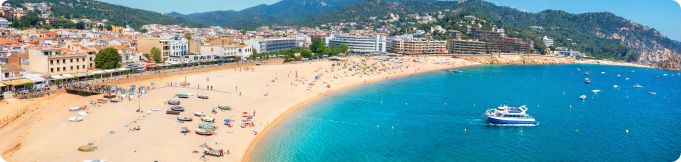
Tossa de Mar: The medieval jewel that captivated Hollywood
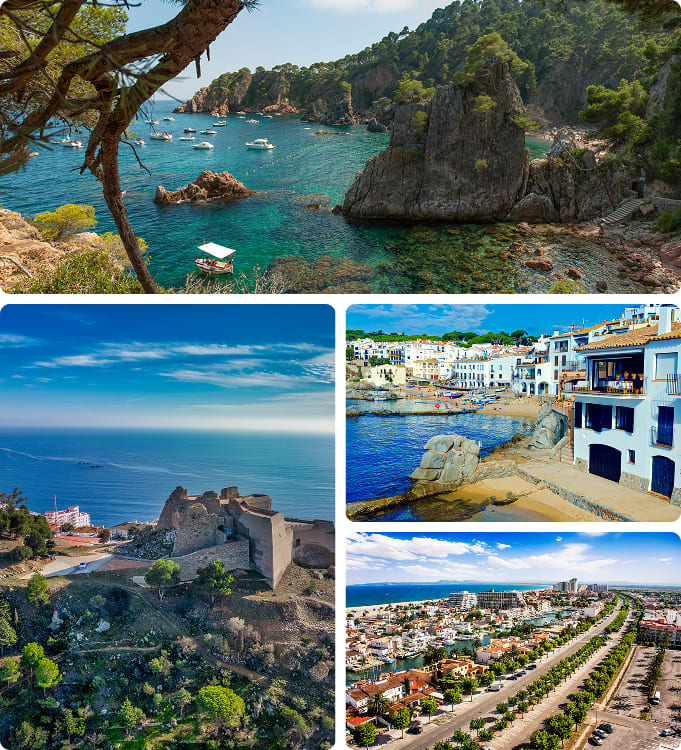
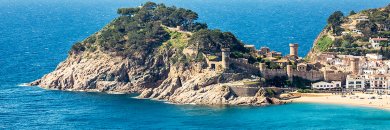
The only fortified medieval town still standing on the Catalan coast, located in Tossa de Mar (Costa Brava), combines turquoise coves, a Roman past and the glamour of classic cinema on the shores of the Mediterranean.
-
A love triangle in 1950: During the filming of Pandora, Ava Gardner's romance with bullfighter Mario Cabré prompted a jealous Frank Sinatra to fly urgently to the town with an emerald necklace to win her back. A statue of the actress on the town walls commemorates the episode.
-
Chagall's "Blue Paradise": In the 1930s, the town became a refuge for avant-garde artists fleeing Nazism. The painter Marc Chagall gave it this name after being captivated by its light and coastline.
-
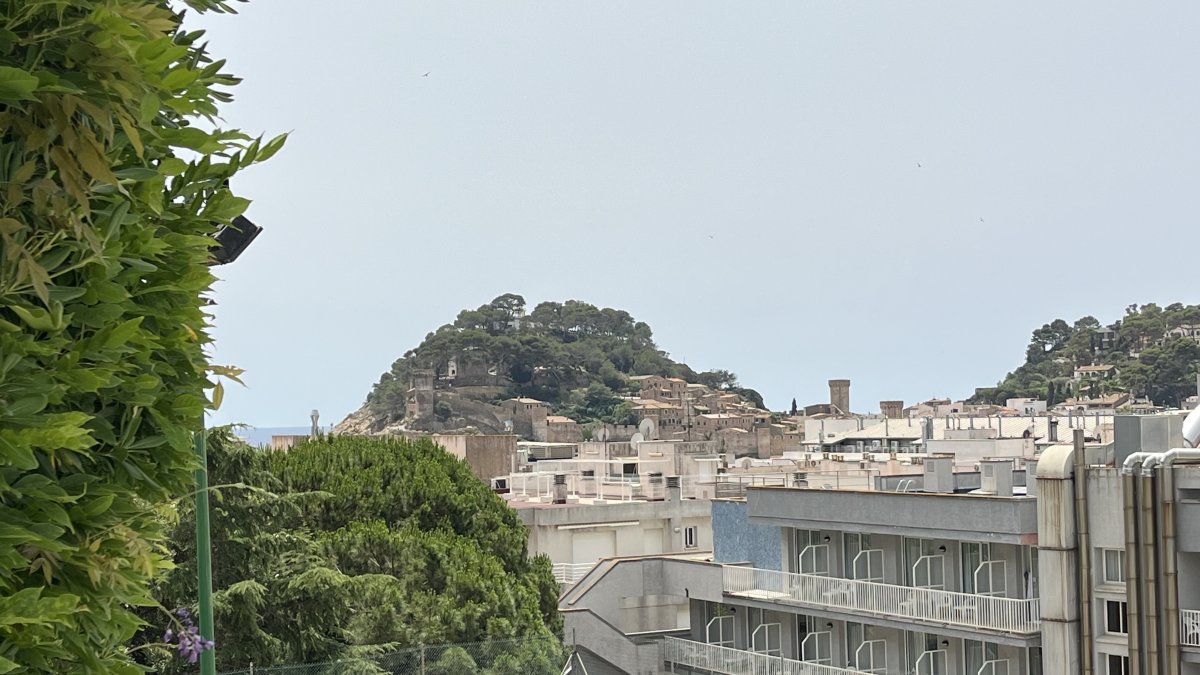
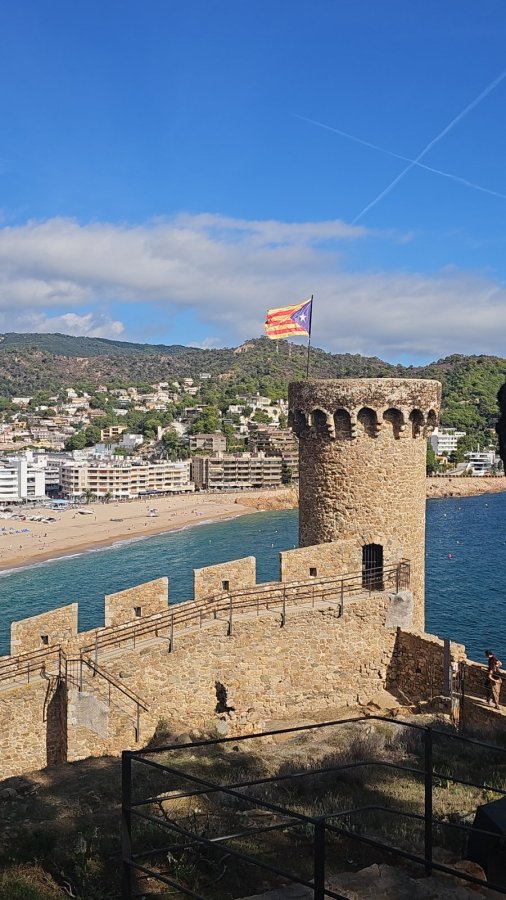
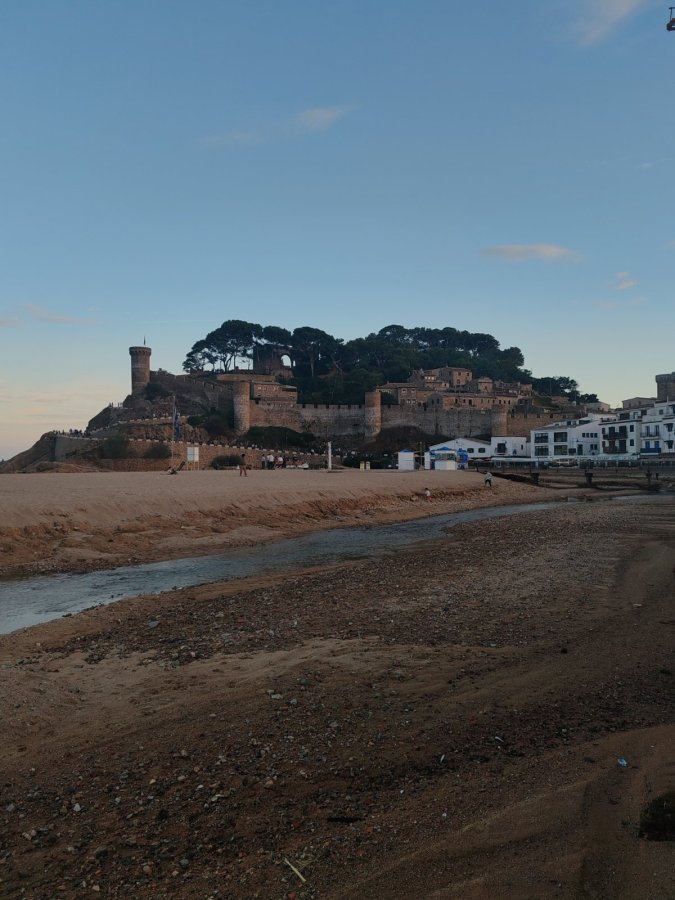
Walls built against pirates: The imposing Vila Vella, dating from the 12th century, was built not to withstand land armies, but to protect fishermen from raids by Barbary pirates.
-
Spain's first contemporary art museum: The Museo Municipal, founded in 1935, began with works donated by European intellectuals who spent their summers in the town.
-
Roman wine for export: In the heart of town, the Villa Romana dels Ametllers, dating from the 1st century BC, shows how wine was produced on a large scale for export throughout the Roman Empire.
Our recommendations:
-
El Faro at sunset: Walk up the cobbled streets of Vila Vella to the lighthouse for the best views of the Costa Brava cliffs.
-
Camí de Ronda to Cala Pola: Walk north among pine trees and reddish rocks, and in less than an hour you'll reach spectacular unspoilt coves.
-
Try Cim i Tomba: Savour this traditional fishermen's stew made with rockfish, potatoes and aioli in the fishing neighbourhood of Sa Roqueta.
The Costa Brava, in Girona province, is made for days that shift effortlessly between sea, scenery and history. You might spend the morning walking a coastal path, pause for lunch in a fishing village and end the afternoon among medieval lanes or on a quiet beach. It’s a lovely choice for couples seeking a relaxed escape, and for families who want variety without straying far from the Mediterranean.
Stretching along the Catalan coast, the region rewards a slower pace. Choose one seaside town as your base, then explore nearby coves and villages at your leisure; or travel farther along the shoreline when the mood takes you.
Make sure you visit:
For a memorable first impression, head to Cadaqués, where whitewashed houses and narrow lanes meet a distinctly maritime atmosphere. From here, the wild landscapes of Cap de Creus make a striking change of scene, with rugged coastal views and rewarding routes for walkers. Nearby, Roses pairs a broad bay and seafront promenade with traces of the area’s history.
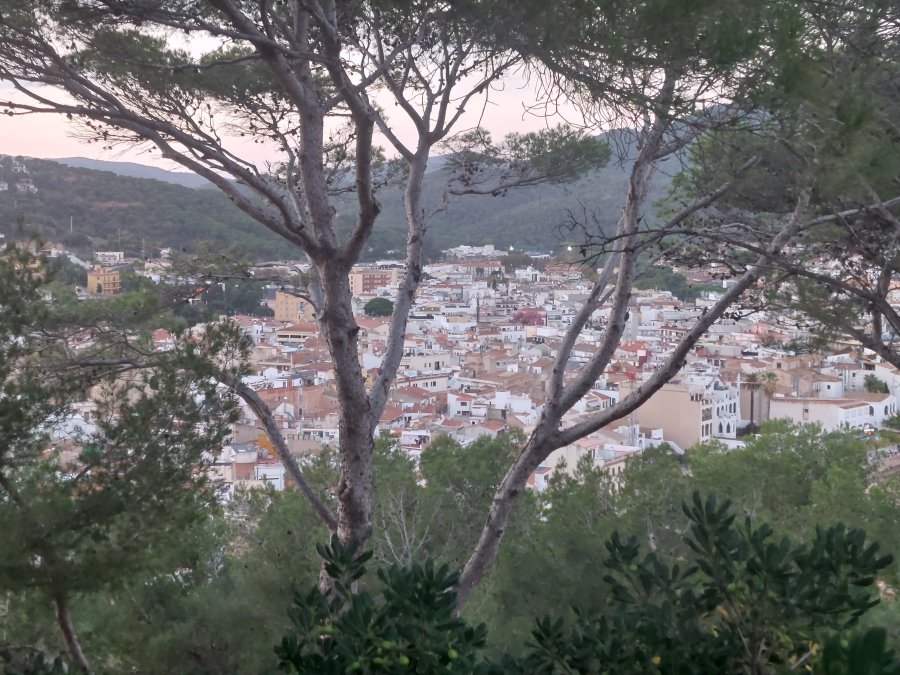
Further south, Tossa de Mar is known for the Vila Vella, its walled old quarter looking out over the Mediterranean. In the Baix Empordà, Calella de Palafrugell and Tamariu retain the feel of former fishing villages, while inland Pals and Peratallada invite an unhurried wander through stone lanes, arches and historic buildings.
Beaches we think you'll like:
The coast is a succession of coves and beaches, each with its own character. Around Begur, Sa Tuna is a small, sheltered cove framed by a traditional seaside village, while Aiguablava is a beautiful place for a swim in clear Mediterranean water. Both suit a relaxed beach day, especially if you arrive earlier in the day during the busy summer season.
For a more dramatic setting, Illa Roja is known for its distinctive coastal scenery beneath the cliffs. Roses offers a different kind of beach day, with a broad bay and a seafront promenade that make it an easy option for families. At Empuriabrava, the wide beach pairs well with a stroll beside the town’s network of navigable canals.
Family-friendly activities:
A family day on the Costa Brava can start with a gentle walk along a stretch of the Camins de Ronda, the old coastal paths linking beaches, coves and villages. Pick a short section, pause whenever a view catches your eye, then reward everyone with a swim or a picnic by the water. The paths vary, so choose a route that suits your children and check local conditions before setting out.
On another day, take a snorkel to a calm cove and explore the shallows together. Older children may enjoy a coastal hike in Cap de Creus, while a visit to L'Estartit offers the chance to discover the marine life around the Medes Islands, an area especially valued for its underwater scenery.
Local delicacies you have to try:
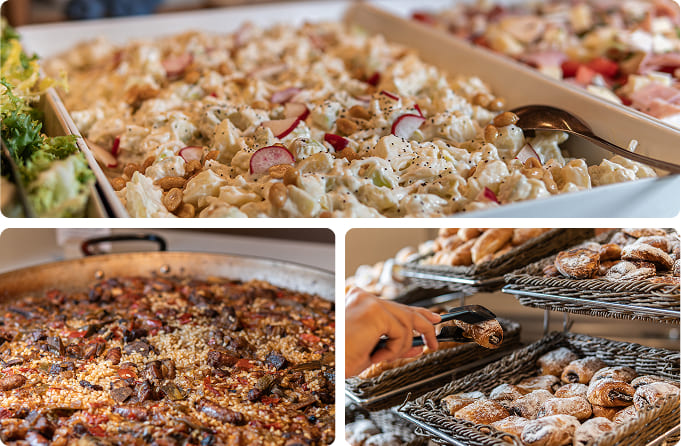
The region’s cooking brings together the catch of the day and flavours from Girona’s inland countryside. Look out for seafood, fish and rice dishes in seaside restaurants, especially after a morning by the water. In Palamós, try gamba de Palamós, a local speciality that has become one of the area’s best-known ingredients.
To round off a meal, explore wines from D.O. Empordà, whose long winemaking tradition is closely tied to the region. A glass alongside a leisurely lunch or dinner is a fitting way to savour the Costa Brava’s blend of sea and countryside.
Make the most of your visit:
The Costa Brava is a large region, so travel times depend on where you stay and how you get around. If you’re based in the north, these outings make a rewarding starting point; allow extra time in summer, when coastal roads can be busy.
- Roses to Cadaqués (around 30 minutes by car): combine a seaside stroll with the whitewashed lanes of Cadaqués.
- Cadaqués to Cap de Creus (around 20 minutes by car): enjoy a scenic excursion into the region’s rugged natural landscape.
- Calella de Palafrugell to Tamariu (around 15 minutes by car): visit two former fishing villages in one relaxed outing.
- L'Estartit to the Medes Islands (by boat): spend time exploring a celebrated marine setting.