Cambrils: Where Pirates, Fine Dining and Hidden Stories Meet
Cambrils is much more than sun and beach. Discover a destination where pirate legends, haute cuisine and exotic gardens blend into one fascinating Mediterranean escape. Here are some of its most surprising secrets:
- The “Torre del Port” is not a lighthouse (even if it looks like one)
Many visitors mistake it for a lighthouse because of its round shape and seaside location. In reality, it is a 17th-century defensive tower built to protect the town from Barbary pirate attacks. Today, it stands as one of Cambrils’ most photographed landmarks and hosts maritime history exhibitions.
- A gastronomic capital with stars
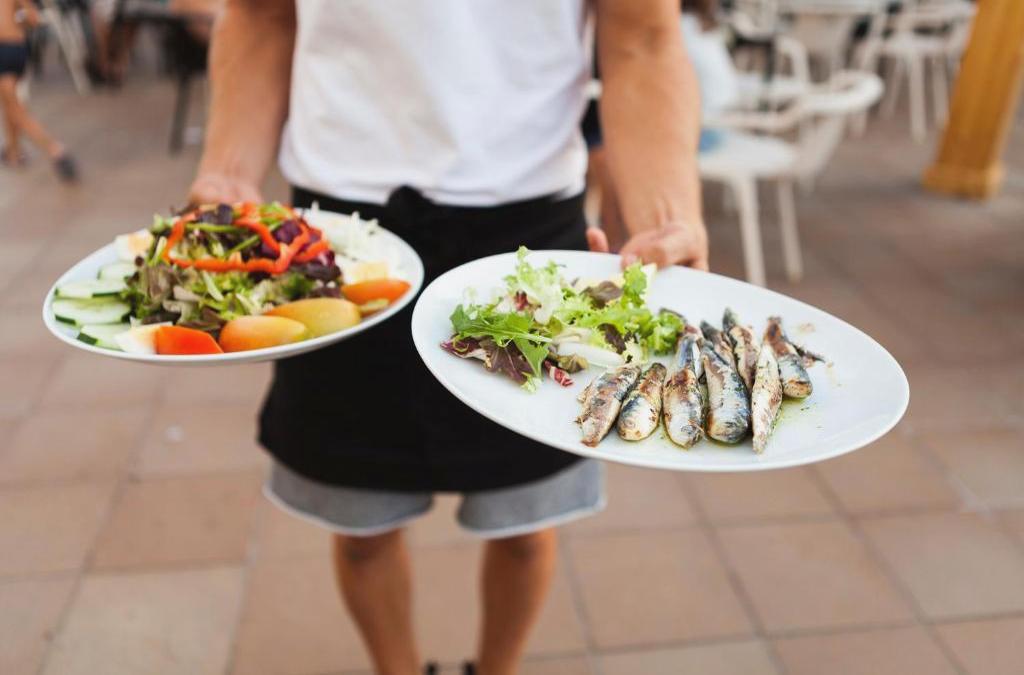
Despite its small size, Cambrils is proudly known as the Gastronomic Capital of the Costa Dorada. Its reputation goes far beyond fresh fish: for decades, Michelin-starred restaurants have flourished here — something truly exceptional for a town of this scale. Don’t leave without tasting the famous fideus rossos, the local seafood specialty.
- El Parc Samà: A slice of Cuba in Tarragona
Just outside town, step into a historic garden straight out of a film set. Designed by Salvador Samà, Marquis of Marianao, it recreates the colonial Cuban atmosphere where his family once lived.
Bonus fact: A young Josep Fontserè, teacher of Antoni Gaudí, collaborated on the design. The pre-modernist influence is evident in its caves, waterfalls and romantic landscapes.
- La Torre de l'Esquirol: The 19th-century “telegraph”
Near the beach stands this slender tower, once a crucial part of the optical telegraph network linking Barcelona with Valencia and Madrid in the 19th century. Messages were transmitted through visual signals — mirrors and panels from tower to tower. It was the WhatsApp of its time, long before electric cables arrived.
- An air-raid shelter beneath your feet
In the heart of the old town (La Vila), explore a remarkably well-preserved Civil War shelter. Walk through the underground tunnels where locals once sought protection from bombings and experience a powerful piece of history firsthand.
Do not miss:
-
Pla de les Serenes: Along the promenade, admire the sculptures dedicated to fishermen. Look closely — the mermaids even have names: La Dolça and La Calma.
-
El Pino Redondo (Pi Rodó): Discover the centenary pine tree declared Local Heritage. So iconic that it gives its name to the neighborhood and remains a classic meeting point.
-
Two centers, one destination: Cambrils is divided into two distinct areas separated by one kilometer — La Vila, the medieval and agricultural heart inland, and El Puerto, the vibrant seaside district.
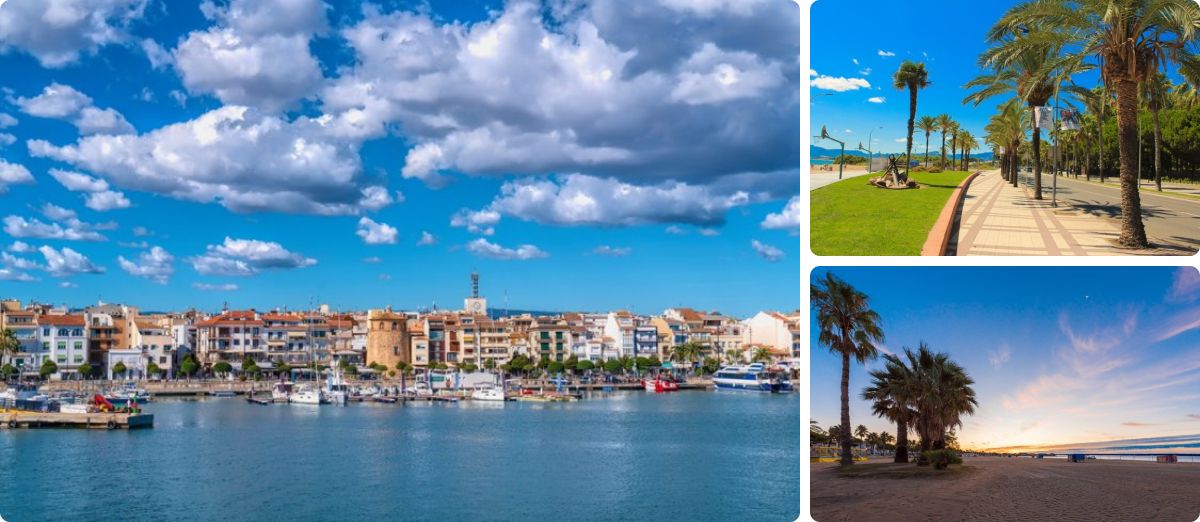
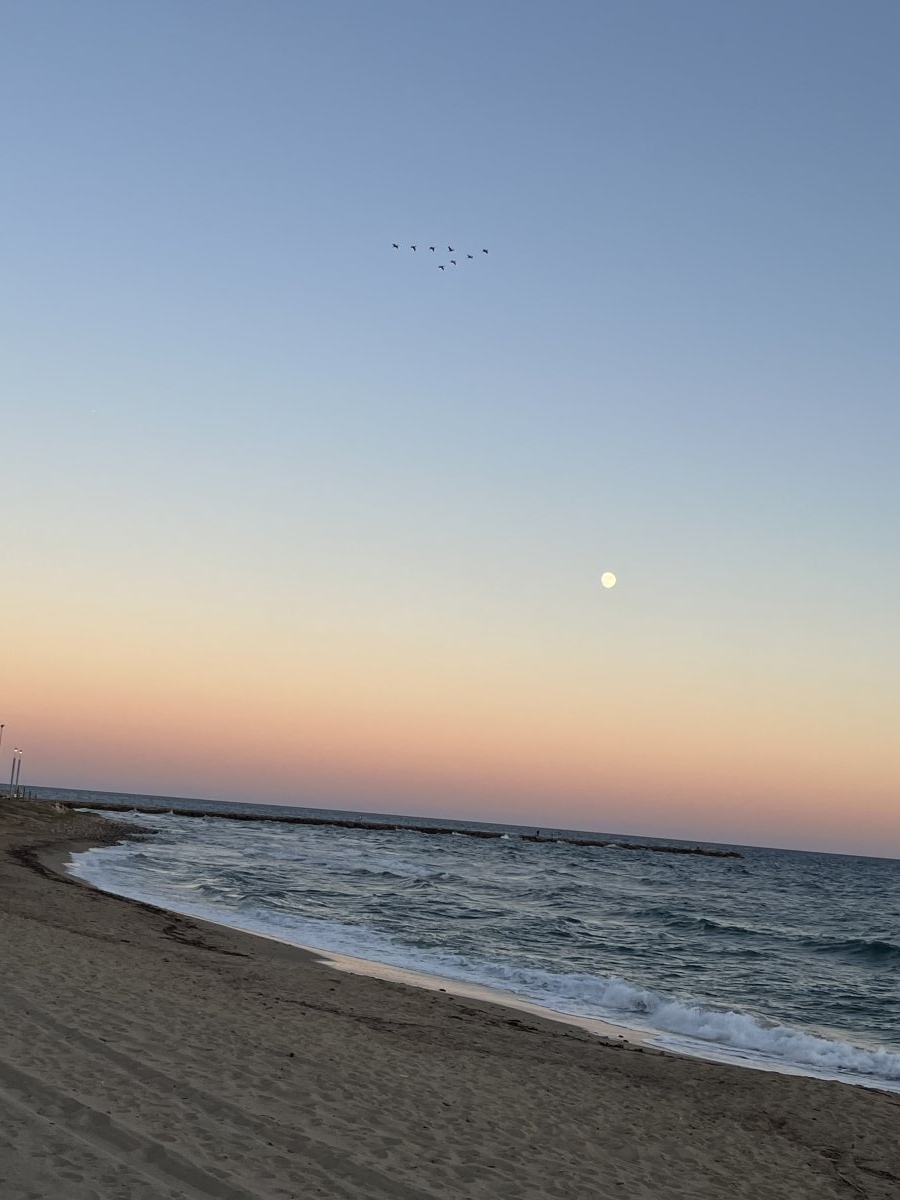
Costa Daurada is a Mediterranean coastline of golden sand, calm shallow water and towns with very different personalities. In the province of Tarragona, Roman landmarks and fishing harbours sit alongside lively beach resorts and one of Europe’s best-known theme park destinations.
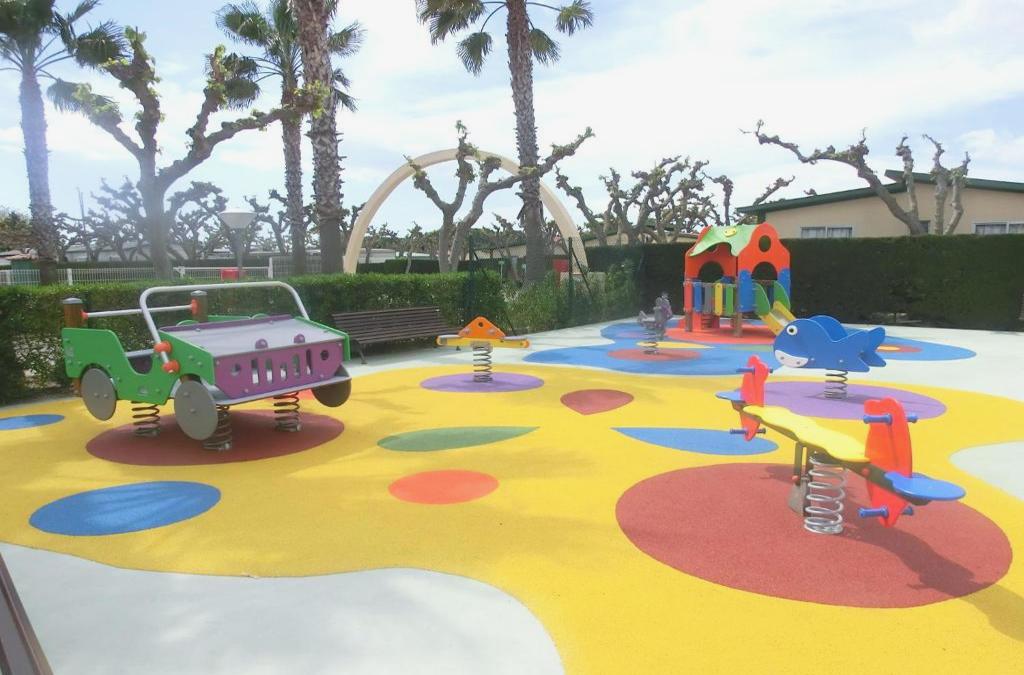
It’s an easy choice for families looking for beach days and big adventures, but couples will find plenty to enjoy too, from historic streets and coastal walks to seafood suppers and a glass of local wine. Come in summer for the full beachside buzz, or choose a quieter season for sightseeing and long lunches.
Make sure you visit:
Begin in Tarragona, once the Roman city of Tarraco, where the seafront amphitheatre, ancient circus and city walls bring the past vividly into view. In the Part Alta, the cathedral crowns a maze of old streets, while the Balcó del Mediterrani offers a memorable outlook over the sea. Late afternoon is a lovely time to explore, when the light softens across the stone.
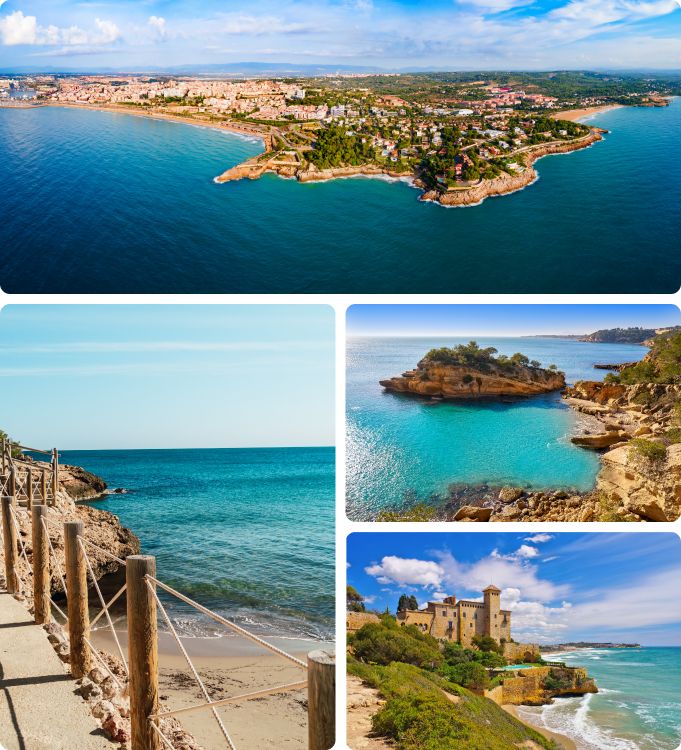
From Tarragona, make your way along the coast to Cambrils, where fishing boats and a working harbour lend the town an easygoing maritime feel. Nearby Salou is livelier, with plenty of places to stroll and the scenic Camí de Ronda linking stretches of coastline and tucked-away coves. Inland, Reus, Gaudí’s birthplace, makes a rewarding change of pace, with Modernista architecture and a longstanding tradition of vermouth.
Beaches we think you'll like:
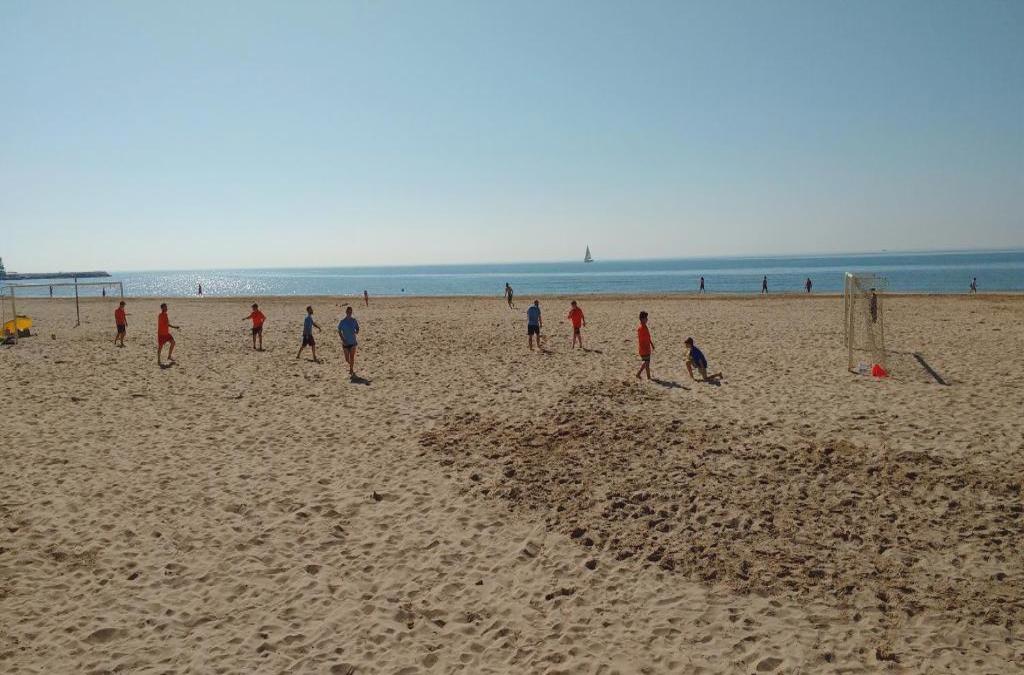
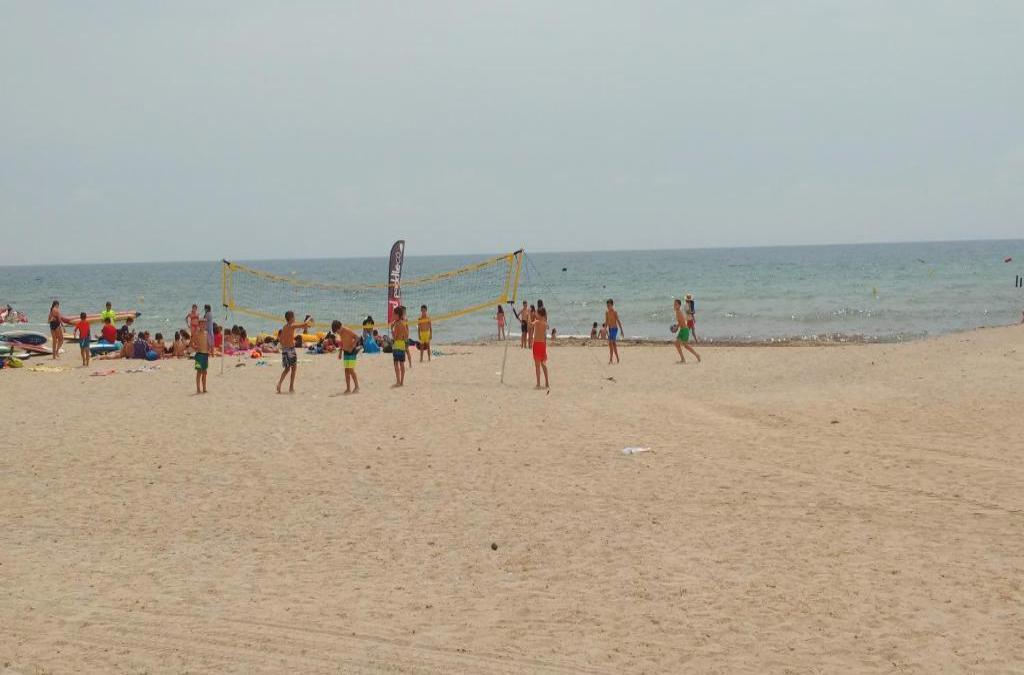
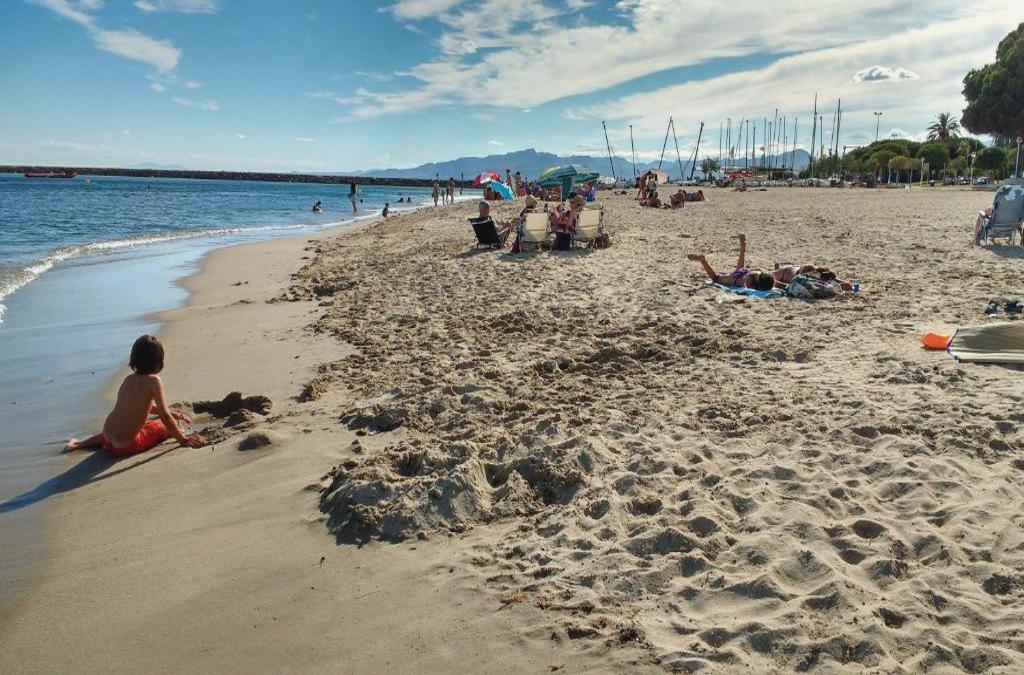
The Costa Daurada’s sandy beaches are a big part of its appeal, especially for families who appreciate gently shelving water. Platja Llarga in Salou has room for a relaxed day by the sea, while the beaches of La Pineda are another good choice for swimming and building sandcastles with younger children.
For a beach break close to the city, head to Platja del Miracle in Tarragona. It pairs a sandy shoreline with views back towards the Roman amphitheatre, making it easy to combine a swim with a little sightseeing. Each beach has its own atmosphere, so you can choose between a lively resort setting and a more leisurely day beside the water.
Family-friendly activities:
For a high-energy day out, PortAventura World brings together a theme park, Ferrari Land and a water park, with plenty to keep different ages entertained. It’s worth setting aside a full day, particularly if you’re visiting with children who want to try the rides as well as cool off in the pools.
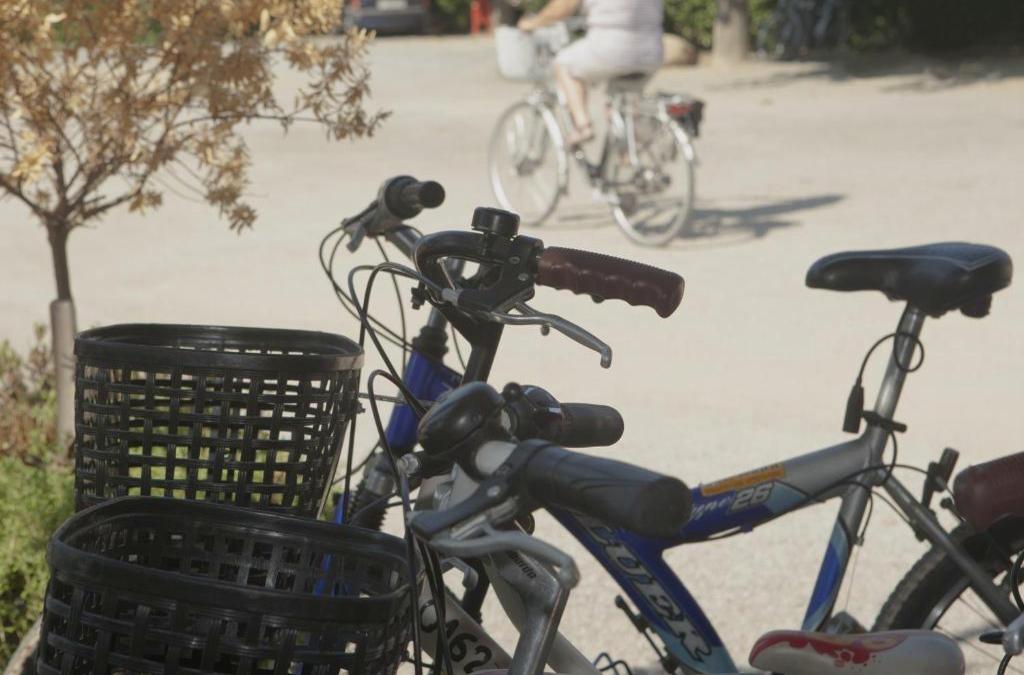
On quieter days, take a family cycle along the coast or try paddleboarding and kayaking on the calmer water. The Camí de Ronda is another lovely way to explore together: choose a manageable stretch, pause at a cove, and let the children enjoy the journey as much as the destination.
Local delicacies you have to try:
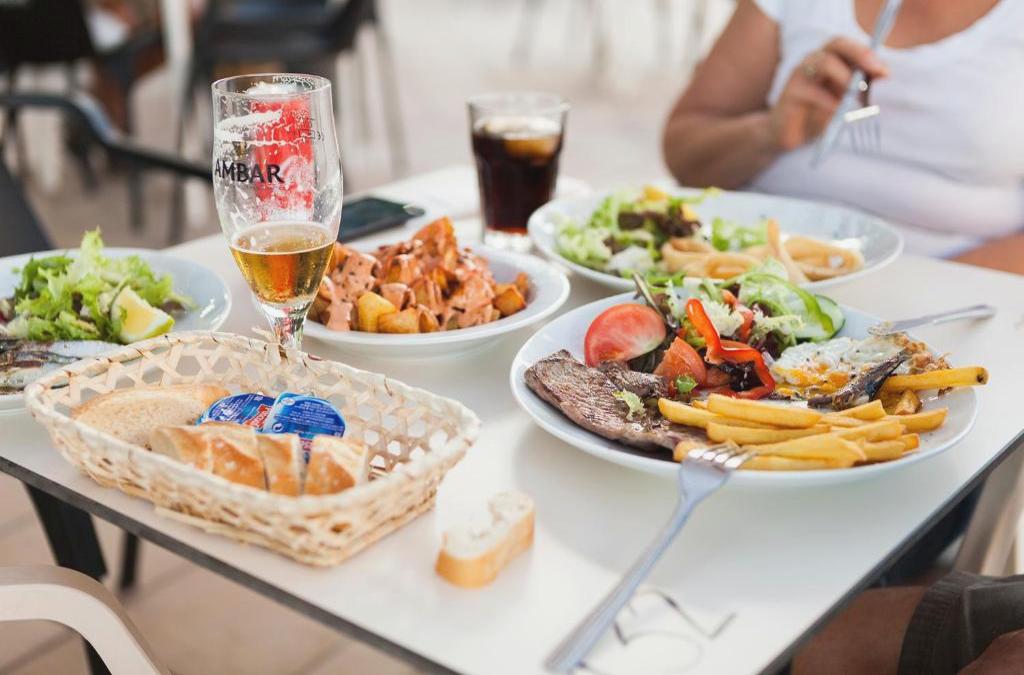
Meals here tend to follow the coast. Look out for seafood rice, arroz negro and fideuà, often made with fresh fish and shellfish from the harbour. In Cambrils, El Llop de Mar is a family-run option by the port, known for seafood, rice dishes, rossejat noodles and homemade romesco.
For a special occasion, Can Bosch, also in Cambrils, is a celebrated choice for Catalan seafood cooking and arroz negro. Elsewhere, try xató, a local salad of endive, cod and anchovies, dressed with romesco sauce. In winter or spring, a calçotada is a memorable seasonal meal; pair local dishes with wines from Priorat, Montsant or Tarragona.
Make the most of your visit:
The coast makes a relaxed base for exploring inland landscapes and quieter corners of Catalonia. If you have a day to spare, these two holidays offer a striking contrast to the beach resorts:
- Monastery of Poblet (under an hour by car from Salou): a UNESCO World Heritage site and a highlight of the Cistercian Route.
- Ebro Delta (about an hour by car from Salou): explore vast rice fields, wild beaches and wetlands where flamingos can be spotted.




 Room Only